The most used part of our body – the feet, yet probably the most neglected when it comes to self-care. Our feet hold us up as we walk through life’s ups and downs. They steady us when we feel un-steady, or anxious. So why do we ignore them? There are so many great benefits of Reflexology that we just aren’t utilising. Reflexology is not just a great foot massage to relieve stress and built up tension, it’s great for your entire body – inside and out.
What Is Reflexology?
In the 1920’s, investigative studies allowed the first Western reflexology foot map to be produced and since then other anatomical areas have been mapped allowing reflexology to be applied to the hands, ears and face. A well-qualified reflexologist will carry out a consultation with you to make sure that a treatment is suitable to you and tailored to your individual needs.
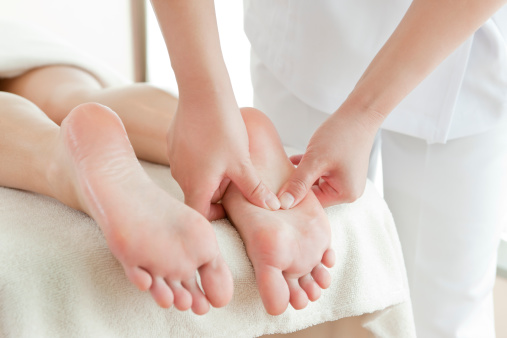
Reflexology is a gentle form of massage based on the theory that we have a complete map of our body on our feet, hand, ears and face. By stimulating the reflex points on these parts of the body, using pressure and gentle massage techniques, we can promote and restore balance, well-being, and relaxation.
Other benefits of Reflexology include; reduction of tension, improved sleep, improved mood, and more. This aids to reduce of stress and therefore aid our digestion.
Reflexology & Digestion
As many as 86% of British adults have reported having a digestive issue in the past year! That’s a shocking statistic, isn’t it? With our busy, modern lifestyles, pressures of work and family life, and the stress of the pandemic. People have been suffering more than ever with tummy troubles. Digestion is a crucial pillar to our health. It alters our overall happiness, wellbeing, physical and mental health; as they say healthy gut – healthy mind. I’m sure many of us can relate to how what we put in our bodies can change how we feel and cope with life. What does our digestion have to do with reflexology though? So how can we help our health and improve and maintain a healthy digestive system?

Healthy Lifestyle
Eating a healthy, balanced diet, drinking plenty of water and living a healthy lifestyle all help us work towards a healthy digestive system. A key trigger for digestive upset is stress, therefore it’s important to reduce or find ways to deal with stress if we are feeling out of balance. We can do this through exercise, relaxation, mindfulness and also through mindful eating.
Mindful Eating
How many of us rush our food to move on to the next part of our busy lifestyle? How many of us actually sit down calmly in a quiet environment to enjoy a healthy meal? Or even enjoy a refreshing fruit juice? Studies have shown that mindful eating can reduce stress therefore the symptoms of IBS and digestive issues.
Try dedicating time to sitting down for a meal this week and use these ways of beginning to eating mindfully…
- Eat slowly.
- Focus on your food by turning off your TV and putting away your phone.
- Notice how your food looks on your plate and how it smells.
- Select each bite of food consciously.
- Pay attention to the texture, temperature and taste of your food.
More information about MINDFUL EATING.
Many find benefits from having a regular complementary therapy, for example Reflexology which brings many physical and mental benefits.
How Can I Find A Good Reflexologist?
Like any therapy, it is crucial to find a well-qualified reflexologist so using the ‘Find a Therapist’ function on the ‘Association of Reflexologists’ website is a great starting point. All therapists listed here have met high standards of qualification and experience to be members so you can relax, knowing you are literally in safe hands.
Reflexology Self Help
It is possible to give yourself some reflexology or ask a loved one to do it for you. Here is a short self-help clip of hand reflexology to aid digestion. You can also use the image below to find the areas of the body to work on. Set the scene by sitting or laying comfortably in a peaceful place and try using the self help guide to work your digestive system. Enjoy this with a breathing exercise and remember, like any new skill, this takes time and patience to see benefits. Regular use can really help!
I hope that this helps you gain some ideas for how to improve your digestion and therefore wellbeing.
FAQ’s
How Often Should You Have Reflexology?
If you’re just having Reflexology for self-care, then it’s recommended to have it one every 6 to 8 weeks.
Does Foot Reflexology Really Work?
Several research studies have shown reflexology may be able to reduce pain, stress and anxiety. It can also aid relaxation and sleep.
What Conditions Can Reflexology Treat?
It is mainly used to address conditions such as – anxiety, asthma, cancer treatment, cardiovascular issues, diabetes, headaches, kidney function, PMS, and sinusitis.
What Are The Most Common Types Of Reflexology
There are a few types of reflexology including – Standard Reflexology, Zone Therapy, Vertical Reflex Therapy (VRT), The Reflex Meridian Therapy, 5 Elements Reflexology, The Morell Technique.
What Does The Big Toe Mean In Reflexology?
The big toe reflects your – head, brain, the pituitary and pineal glands, and the neck when it comes to reflexology. So, the big toes are very important!
Leave a Reply