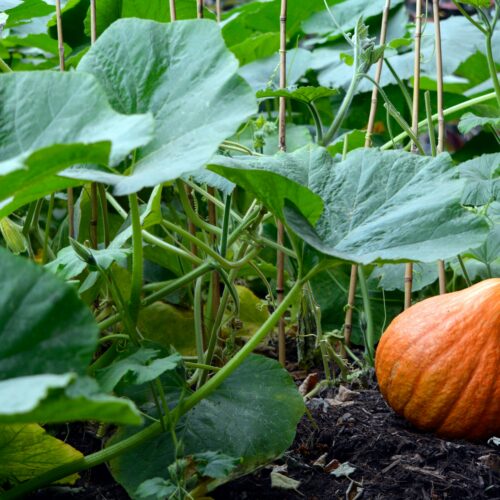
Organic Plant Food vs Fertilizer – If you’re new to gardening, you might have come across the terms “plant food” and “plant fertilizer” and wondered if they’re the same thing. While they’re often used interchangeably, essentially, they are the same thing.
Plant food and fertiliser both refer to either chemical or natural substances added to the soil to provide nutrients for plants. However, fertilizer is considered to be the more technically correct term used in the industry. Plant food is a more general term used by consumers and is often labelled on products as such.
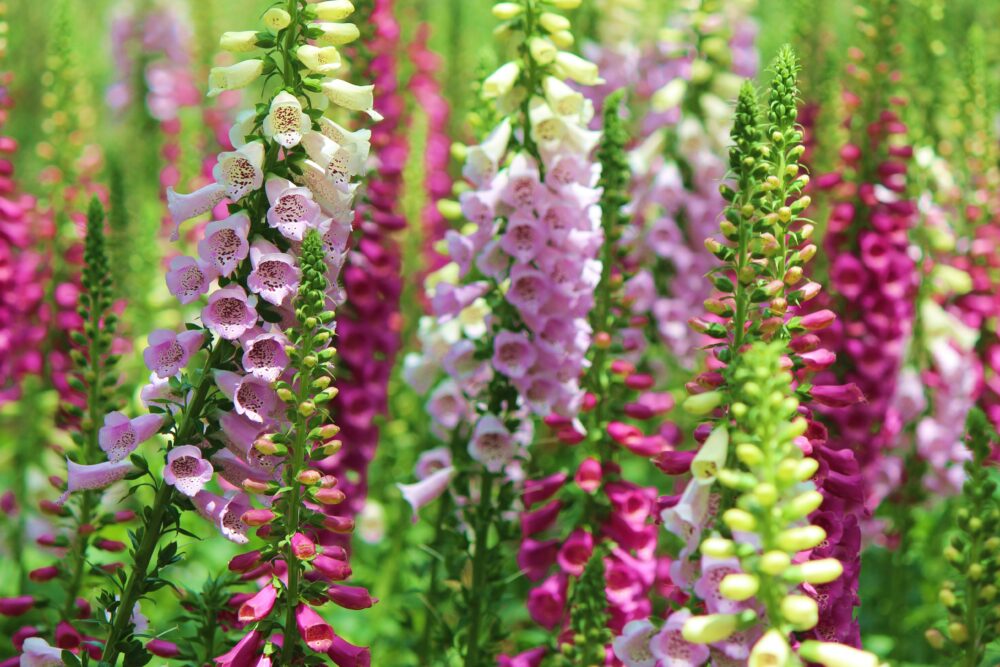
What Is Plant Food?
Plant food is the term used to describe the nutrients that plants absorb from the soil, water, or air and can come in solid or liquid form. These nutrients include carbon, hydrogen, and oxygen from water and air, as well as essential minerals like nitrogen, phosphorus, and potassium (often abbreviated as NPK).
Plants produce their own food through a process called photosynthesis. Using sunlight, water, and carbon dioxide, they generate glucose, which fuels their growth and development. However, to stay healthy, they also need a range of minerals and micronutrients, which they typically draw from the soil.
Plants also rely on certain secondary nutrients like calcium, magnesium, and sulfur, along with trace elements like iron, zinc, copper, and manganese. These micronutrients are just as important for plant health as the primary ones, even though they’re needed in smaller amounts. For example, iron helps with chlorophyll production, while magnesium plays a crucial role in photosynthesis.
What Is Fertiliser?
Fertiliser is a substance added to the soil or to plants to supply added essential nutrients that might be lacking in the natural environment. You would add as much fertilizer to the soil surface as needed, perhaps after doing a soil test (to check soil’s ph) to see how much each plant needed. Fertilisers come in many forms, including:
- Organic Fertilisers – Made from natural materials like compost, manure, or bone meal.
- Synthetic Fertilizers (inorganic fertilizers) – Chemically manufactured full of chemical nutrients and often tailored to deliver specific nutrients in precise amounts.
Fertilisers are designed to replenish nutrients in the soil, ensuring plants have access to what they need for healthy plant growth. Without sufficient nutrients, plants may struggle to develop properly, leading to poor yields, weak growth, or disease. For example, if you have clay soils, fertilizers would be great to help the plant’s ability to grow better, bigger and stronger and to develop better root systems.
Chemical fertilizers, while effective, can sometimes lead to soil degradation if overused, as they may disrupt the natural balance of microorganisms in the soil. Organic options, on the other hand, improve soil structure and support biodiversity, though they often release nutrients more slowly.
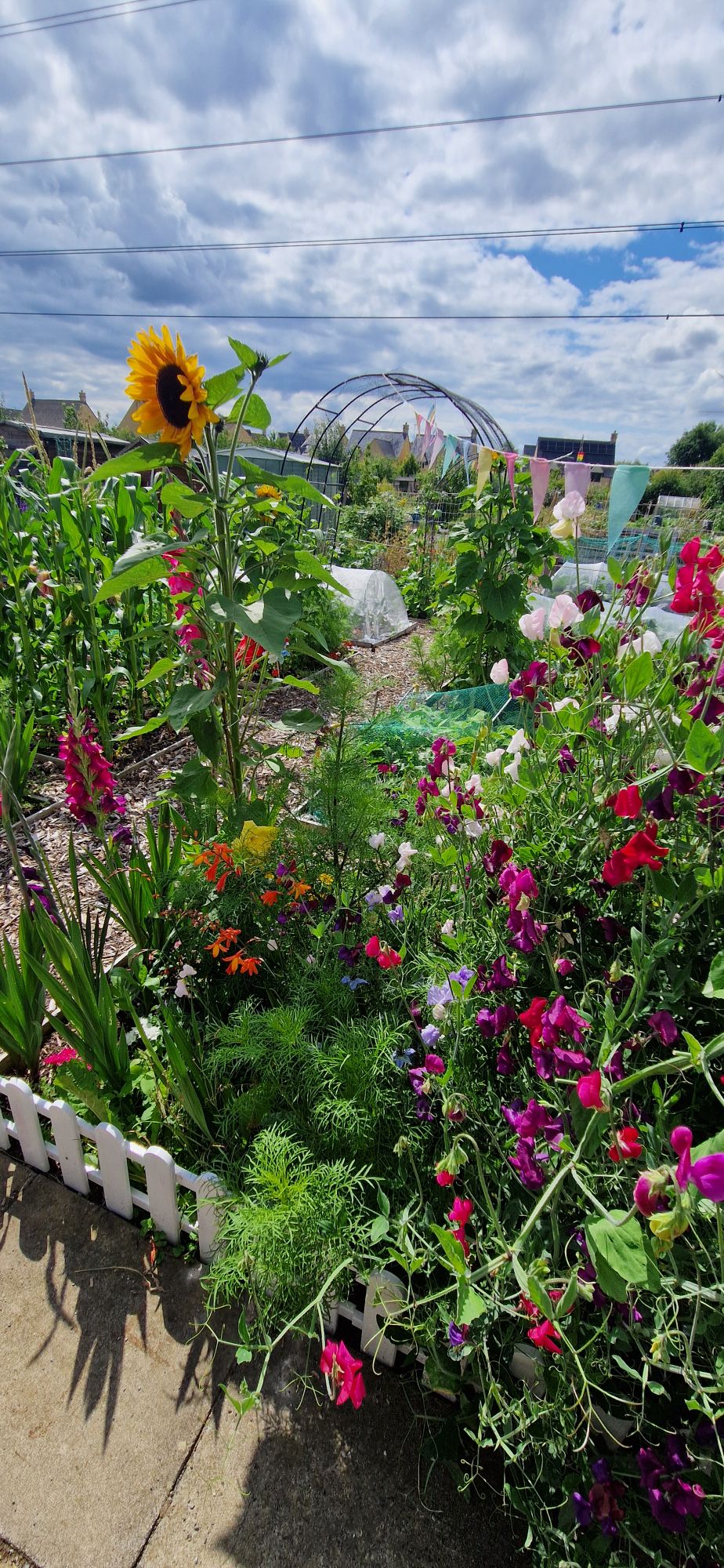
Organic Plant Food vs Fertilizer – Key Differences
Natural vs Added Nutrients
- Plant food refers to the natural nutrients plants use for growth.
- Fertiliser is an external source of nutrients added to supplement what’s already in the soil.
Source
- Plant food is produced by plants themselves through photosynthesis.
- Fertiliser can be organic or synthetic and is applied by gardeners to enhance soil fertility.
Purpose
- Plant food is essential for all plants, as it’s their primary energy source.
- Fertiliser acts as a support to ensure plants have the right balance of nutrients when the soil is deficient.
Environmental Impact
- Fertilisers, particularly synthetic ones, can contribute to issues like water pollution if used excessively. Runoff from over-fertilised fields can lead to algae blooms in waterways, which harm aquatic ecosystems.
Organic Fertiliser Options
Organic plant food refers to nutrients derived from natural sources and non-synthetic materials, or made using a natural process for healthy soil. These options are environmentally friendly, sustainable, and promote long-term soil health. Here are some common types of organic plant food and their benefits:
Compost
Compost is probably the cheapest way of making plant food and adding nutrients to your soil. It’s basically a mixture of green and brown waste that rots down over time and turns back into large amounts of soil with the right amount of nutrients your plants need to thrive.
- Made by decomposing organic waste like kitchen scraps, yard clippings, and leaves.
- Rich in nutrients and improves soil structure.
- Encourages beneficial microorganisms, which enhance nutrient availability for plants.
Manure
Plant food in the form of manure should NOT be put down at the start of the growing season. Instead it should be put into the soil as the growing season ends so it has time to decompose and seep into the soil.
Raw manure can actually damage plant tissue if put directly on to the plant roots, so keep this in mind if your manure is raw – straight from the source!
- A time-tested natural fertiliser, manure is often sourced from livestock.
- Adds nitrogen, phosphorus, and potassium to the soil.
- Needs to be well-rotted or composted before application to avoid burning plants.
Bone Meal
Bone meal is a great way to feed indoor plants especially, but it can be used on both indoor and outdoor plants and vegetables. Just make sure you mix it into the oil well to help the growth of plants over a long time.
- A slow-release source of phosphorus and calcium.
- Excellent for promoting root development and flowering.
- Often used in planting holes for bulbs and root crops.
Fish Emusion
- Organic liquid fertilizers made from fish by-products.
- High in nitrogen, making it great for leafy greens and fast-growing plants.
- Easy to apply as a foliar feed or soil drench.
Seaweed Extract
- Derived from ocean plants, this organic supplement contains potassium and trace minerals.
- Stimulates plant growth and enhances stress resistance.
Wood Ash
- Contains potassium and calcium carbonate, which can help neutralise acidic soils.
- Use sparingly, as excessive application can raise soil pH too much.
Advantages Of Organic Fertiliser
- Improves soil fertility over time by adding organic matter.
- Supports a healthy ecosystem of soil organisms.
- Reduces the risk of chemical runoff and environmental harm.
- Provides a slow and steady release of nutrients, reducing the risk of over-fertilising.
Using organic plant food not only nurtures your plants but also promotes a healthier environment. It’s an excellent choice for those who want to garden sustainably while ensuring robust and vibrant plant growth.
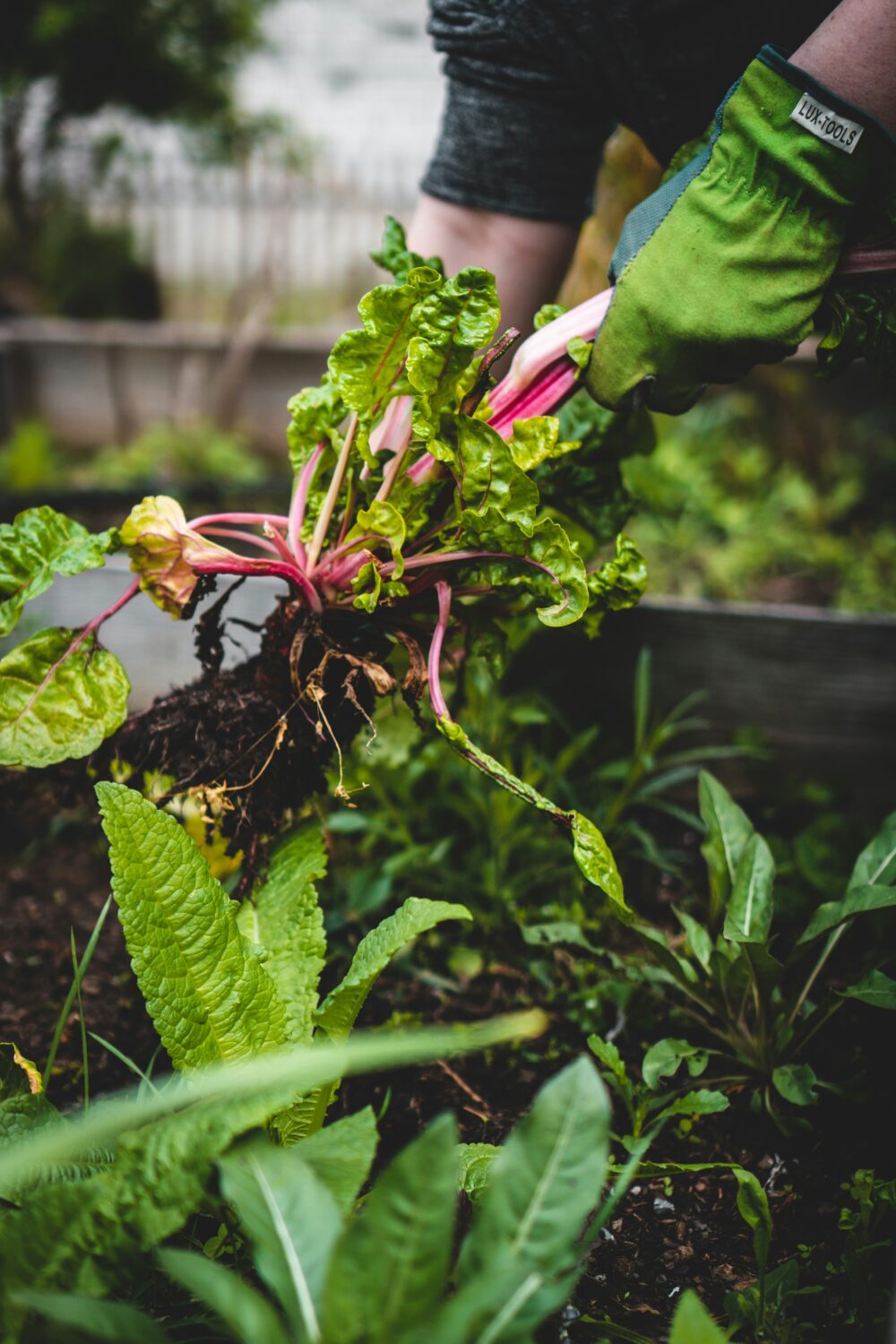
Organic Fertiliser Options
Organic fertilisers are natural substances that enrich soil and promote plant growth without the use of synthetic chemicals. They offer a sustainable way to boost soil fertility while supporting biodiversity and long-term soil health. Here are some examples and benefits:
Animal-Based Fertilisers
- Manure – As mentioned earlier, manure is a rich source of nitrogen, phosphorus, and potassium. When composted, it becomes even more effective and safe for use.
- Bone Meal – Provides phosphorus and calcium, essential for strong roots and blooms.
- Blood Meal – A high-nitrogen option that promotes lush foliage.
Plant-Based Fertilisers
- Compost – Improves soil structure, retains moisture, and provides a slow release of nutrients.
- Seaweed – Enhances plant stress resistance and adds trace minerals to the soil.
- Alfalfa Meal – A natural source of nitrogen that also contains growth stimulants.
Mineral-Based Fertilisers
- Rock Phosphate – A slow-release source of phosphorus for long-term soil improvement.
- Greensand – Provides potassium and improves soil structure.
- Epsom Salt – Supplies magnesium and sulphur, which are vital for photosynthesis and enzyme function.
Benefits Of Organic Fertilisers
- Soil Health – Enriches soil with organic matter, enhancing its texture, structure, and water retention.
- Environmental Safety – Minimises the risk of runoff and pollution compared to synthetic options
- Microbial Activity – Encourages beneficial soil microbes that help break down organic matter and release nutrients.
- Long-Lasting Effects – Releases nutrients gradually, reducing the need for frequent reapplication.
Organic fertilisers are an excellent choice for gardeners who value sustainability and environmental health. By feeding both plants and the soil, they create a thriving ecosystem that supports vibrant, healthy growth.
Choosing The Right Fertiliser
There are many different types of fertilizers so choosing the right one is essential.
When selecting a fertiliser, you’ll notice labels indicating the n-p-k ratio, such as 10-10-10. This shows the percentage of nitrogen (N), phosphorus (P), and potassium (K) in the mix. Here’s what these nutrients do:
- Nitrogen – Promotes leafy growth.
- Phosphorus – Encourages strong roots and flowers.
- Potassium – Improves overall plant health and disease resistance.
Different plants have different needs, so choose a fertiliser suited to your specific garden. For example:
- Use a high-nitrogen fertiliser for leafy vegetables like lettuce.
- Opt for a phosphorus-rich mix for flowering plants like roses.
You can also find specialised fertilisers for specific plants, such as acid-loving varieties like blueberries or azaleas. These are designed to meet the unique nutrient requirements of these plants and often include added sulphur to lower soil pH.
Do All Plants Need Fertiliser?
Not always! If your soil is rich in organic matter and nutrients, plants may thrive without additional fertiliser. However, plants with nutrient deficiencies would definitely show improvement overtime with the addition of some type of fertilizer.
Regularly testing your soil can help you determine what’s needed. Over-fertilising can harm plants and the environment, so it’s better to apply less than too much.
Organic options like compost or well-rotted manure are great choices for environmentally friendly gardening. These improve soil structure and provide a slow release of plant nutrients to ensure healthy plants. You can also make your own compost at home by recycling kitchen scraps, garden waste, and grass clippings, creating a sustainable source of plant nutrition.
For container plants, fertilising is often more critical, as nutrients in potting soil can deplete quickly. Using a liquid fertiliser or slow-release granules can help maintain healthy growth.
Tips For Using Fertilisers Effectively
- Test Your Soil – Before applying fertiliser, test your soil to identify its nutrient levels and pH. This helps you avoid over-fertilising and ensures your plants get exactly what they need.
- Apply at the Right Time – Fertilise during the growing season (unless using raw manure) when plants are actively taking up nutrients. Avoid fertilising in late autumn or winter when growth slows.
- Follow Instructions – Always follow the manufacturer’s instructions for application rates. Over-fertilising can damage plants and lead to nutrient runoff.
- Water Thoroughly – After applying fertiliser, water the soil well to help nutrients penetrate the root zone and prevent burning.
- Combine with Mulch – Adding mulch around your plants helps retain moisture, suppress weeds, and slowly releases organic nutrients into the soil
Final Thoughts
Think of plant food as the natural sustenance plants create and use for energy – what’s already in the soil. While fertiliser is the booster that ensures they have all the essential elements and ingredients they need to flourish. With a little care and attention, your plants will reward you with lush growth and vibrant blooms.
Organic plant food vs fertilizer, what do you think?
Happy gardening!
This post on plant food is very helpful for regular people like me.
That’s so kind, thank you.