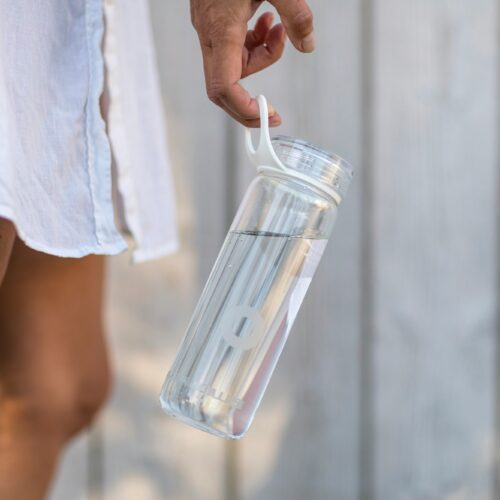
Stainless steel vs glass water bottle – When it comes to staying hydrated, having a reliable water bottle is a great thing to have with you. Whether you’re heading to work, the gym, or on an outdoor adventure, the right water bottle can make all the difference. Stainless steel and glass water bottles are two of the most popular options on the market today, but how do you decide which type of bottle is best for you?
This article explores the advantages, disadvantages, and key differences between stainless steel and glass water bottles, helping you make an informed decision on your reusable bottle.
Why We Shouldn’t Use Single-Use Plastic Bottles
Single-use plastic bottles might seem convenient, but they come with significant drawbacks. Firstly, they contribute massively to environmental pollution. Over 8 million tonnes of plastic waste ends up in our oceans every year, much of it from discarded bottles. Secondly, producing these bottles consumes large amounts of fossil fuels and releases toxic chemicals and greenhouse gases, further exacerbating climate change.
Lastly, single-use bottles are not cost-effective in the long run. Reusable water bottles, made from sustainable materials like stainless steel or glass, are a good choice in terms of sustainability and a great economical alternative.
By investing in a reusable water bottle, you can reduce waste, lower your carbon footprint, save money, and ensure that your hydration habits are safe and sustainable.
Water bottles are an essential part of our daily lives. Whether it’s for staying hydrated during a workout, carrying water to the office, or sipping during a long commute. They are versatile, reusable, and environmentally friendly – especially when compared to single-use plastic bottles.
The Case For Stainless Steel Water Bottles
Advantages
Durability – Stainless steel water bottles are incredibly durable. They can withstand accidental drops, bumps, and rough handling, making them ideal for outdoor activities or commuting.
Temperature Control – Most stainless steel bottles come with double-wall insulation, allowing them to keep drinks cold for up to 24 hours or hot for up to 12 hours. This makes them perfect for both summer hikes and winter commutes.
Lightweight & Portable – Compared to glass bottles, stainless steel bottles are lighter and easier to carry. This is especially beneficial if you’re packing for a long day or need to fit your bottle in a gym bag.
Eco-Friendly – Stainless steel is highly recyclable. Choosing a reusable stainless steel bottle over single-use plastic helps reduce waste and contributes to environmental sustainability.
Variety of Designs – You’ll find stainless steel bottles in a wide range of sizes, colours, and designs, catering to every taste and need. Some even feature sports caps or built-in straws for added convenience.
Disadvantages
Heaviness (for Larger Sizes) – While generally lighter than glass, larger stainless steel bottles can still feel heavy when filled.
Price Range – Expect to pay between £15 and £50 for a high-quality stainless steel water bottle, depending on features like insulation and brand.
What To Look Out For When Buying Stainless Steel Water Bottles
Make sure when looking for stainless steel water bottles, you don’t accidentally buy aluminum water bottles instead. Aluminum bottles aren’t the same as stainless steel and can often leach heavy metals or toxic materials into your drinks. A quick way to know if your bottle is stainless steel or aluminium is to see if it’s magnetic.
Stainless steel IS magnetic, so a magnet would stick. However, aluminium is NOT magnetic so a magnet wouldn’t stick.
The Case For Glass Water Bottles
Advantages
Taste Purity – Glass is completely non-reactive, meaning it won’t leach chemicals or alter the taste of your drink. This makes it the go-to choice for those who prioritise taste purity.
Eco-Friendly and Non-Toxic – Glass is made from natural materials and is fully recyclable. It’s also free from BPA and other harmful chemicals, making it a safe choice for daily use.
Aesthetics – Glass bottles often feature a sleek, minimalist design. They look elegant and are a popular choice for office or home use.
Easy To Clean – Glass bottles are dishwasher-safe, making them easy to maintain. They also don’t retain odours or stains like some other materials.
Disadvantages
Fragility – Glass bottles are more prone to breaking or chipping if dropped. While many come with protective silicone sleeves, they’re still less durable than stainless steel.
Weight – Glass bottles are heavier than their stainless steel counterparts, which can be inconvenient for on-the-go use.
Limited Temperature Control – Glass bottles don’t typically have insulation, so they won’t keep your drinks hot or cold for extended periods.
Comparing The Two – Stainless Steel vs Glass
Safety & Toxicity
One of the main concerns for many consumers is toxicity. Glass bottles are made from natural materials and are 100% free of harmful chemicals like BPA, BPS, and phthalates. Stainless steel bottles are generally safe as well, but it’s important to ensure that they’re made from food-grade stainless steel and don’t have coatings that could leach chemicals over time.
Durability
If you lead an active lifestyle or are prone to dropping things, stainless steel is the better option. Glass bottles, while elegant, are more fragile and better suited for controlled environments like the office or home.
Weight
Glass bottles are noticeably heavier than stainless steel ones, which could be a deal breaker for commuters or travellers. However, if weight isn’t a concern, the added heft can feel reassuring and solid in hand.
Temperature Control
Stainless steel wins hands-down in this category. If you want to keep your hot drinks hot or your cold water cold, opt for an insulated stainless steel bottle. Most will be able to keep your drinks hot/cold for anywhere between 12 and 24 hours – perfect for travelling, or if you’re on the go.
Environmental Impact
Both options are eco-friendly in their own right. Glass is endlessly recyclable, while stainless steel is also recyclable and tends to have a longer lifespan due to its durability. However, glass bottles often come with a silicone sleeve, so take that into consideration if you do want a glass bottle.
Price
There really isn’t much difference in price between glass and stainless steel bottles. It just depends what works better for your lifestyle and needs. For example, i wouldn’t take a glass bottle hiking as it will be heavier and more likely to break if dropped.
The Safest Material For Water Bottles
When it comes to safety, both glass and stainless steel are excellent choices, but they cater to slightly different needs. Glass is widely regarded as the safest material due to its non-reactive nature. It doesn’t leach chemicals, even when exposed to heat or acidic liquids, and provides the purest taste.
Stainless steel, on the other hand, is also a safe choice, provided it is made from high-quality, food-grade stainless steel. It’s durable, non-toxic, and doesn’t retain flavours. However, to avoid any potential risks, ensure the bottle doesn’t have inner linings that might degrade over time.
For those prioritising absolute purity and safety, glass is the winner. However, for active lifestyles requiring durability and temperature control, stainless steel remains a top contender.
Toxic Materials In Water Bottles
While glass and stainless steel are generally safe materials, some water bottles on the market may contain toxic substances that could pose health risks. Here are some materials to be cautious about:
Plastic Water Bottles
Many plastic water bottles contain chemicals like BPA (Bisphenol A) or its alternatives, such as BPS. These substances can leach into your drink, especially when the bottle is exposed to heat. BPA is an endocrine disruptor and has been linked to various health concerns, including hormonal imbalances.
Low-Quality Stainless Steel
Not all stainless steel is created equal. Low-quality stainless steel may contain impurities or coatings that can leach harmful substances over time. Always choose bottles made from food-grade stainless steel (such as 18/8 or 304 stainless steel).
Aluminium Bottles
Aluminium bottles are often lined with an epoxy resin to prevent the metal from reacting with liquids. However, these linings can degrade over time and may release harmful chemicals into your drink. Aluminium itself is also less durable and more prone to denting compared to stainless steel.
Non-Food Grade Materials
Avoid water bottles made from non-food-grade materials, as these may contain harmful substances not intended for safe consumption. Always check the product label to ensure the materials meet safety standards.
Why Plastic Isn’t Safe For Water Bottles
Plastic water bottles are widely used due to their affordability and convenience, but they come with significant health and environmental concerns:
Chemical Leaching
Many plastic bottles contain harmful chemicals like BPA, BPS, and phthalates. These chemicals can leach into your drink, particularly when exposed to heat or sunlight. Consuming these chemicals has been linked to health issues such as hormonal disruptions, developmental problems, and even certain cancers. Even the plastic bottles that say they are BPA free will begin to leach chemicals and micro plastics in to your water over time.
Microplastics
Over time, all plastic bottles will begin to break down and release tiny particles called micro plastics into the water. Studies have found that humans ingest micro plastics regularly, but the long-term health effects are still being researched. It is thought that these days, the average person will consume a credit card sized amount of plastic every year!
Not Durable
Plastic bottles are prone to cracking, warping, and degrading over time. This makes them less reliable for long-term use and increases the likelihood of chemical leaching as the material breaks down.
Environmental Impact
Plastic bottles contribute significantly to global pollution. They are rarely recycled effectively and often end up in landfills or oceans, where they can take hundreds of years to decompose.
By avoiding plastic water bottles and choosing safer alternatives like glass or stainless steel, you can reduce your exposure to harmful chemicals while also minimising your environmental footprint.
Making The Right Choice For You
Ultimately, the decision between a stainless steel and glass water bottle depends on your lifestyle, preferences, and priorities.
Choose Stainless Steel If…
- You’re looking for a bottle that can handle every day life and everything that might bring.
- Insulation and temperature (cold or hot water) control are important to you.
- You need a lightweight and versatile bottle for various activities.
Choose Glass If…
- Purity of taste is your top priority.
- You aren’t that clumsy (dropping often results in breaking).
- You’ll primarily use the bottle in a controlled environment.
- You prefer a sleek and minimalist design.
Personal Thoughts
Stainless steel vs glass water bottle, hmm, I have always been a big lover of water bottles and have tried more than i could possibly count over the years. From glass and stainless steel, to BPA free reusable plastic bottles – and everything in between!
In my opinion, the best water bottle is one made of stainless steel. It’s the most versatile, you’re less likely to break it if you drop it and they are great for keeping cold drinks cold and hot drinks hot for a very long time. I did have a glass water bottle for a long time which i loved though that came with a silicone sleeve. I was always just mindful of dropping and it smashing due to the more fragile material. Plus, i’m trying to get away from all plastics and silicone so once this one had broken, i replaced it with stainless steel. I love my stainless-steel bottle. It’s an insulated bottle with a cap that allows you to have either a small or wide mouth opening, it’s easy to clean and can be put in the dishwasher.
The brands i love for pure stainless steel and glass water bottles are… (NOT affiliate link below)
- Peace In The Wild – Stainless steel water bottles. (Double walled bottles keeps drinks hot or cold for up to 12 hours). £25 for 800ml bottle.
- Aquaphor – A stainless steel water bottle that comes with a water filter as well, reducing Chlorine & Microplastics in your water. It also has a double walled lining to keep your water cooler for longer and a flip-top leak-proof lid and secure non-slip silicone grip. At only £15 it’s also cheaper than most other similar options.
- Camelbak – I do really like the Camelbak stainless steel water bottles but they all have a plastic cap. Great for ease of use but not great if you want zero plastic. £23 for 750ml bottle.
- Klean Kanteen – Stainless steel water bottles with a mix of different cap options. £29 for 800 ml bottle.
- Black & Blum – Glass water bottle with removable silicone sleeve. £21.95 for 600ml bottle.
Stainless Steel vs Glass Water Bottle – Final Thoughts
Both stainless steel and glass water bottles offer significant advantages over single-use plastic bottles, contributing to a more sustainable and healthy lifestyle. which you choose really depends on your own personal preference and the best option for your needs.
By considering factors such as durability, taste, safety, and cost, you can choose the option that best suits your needs. Whichever you pick, you’ll be making a positive impact on the environment while staying stylishly hydrated. So, why not make the switch today.
Stainless steel vs glass water bottle, what type of water bottle would you choose?
Leave a Reply