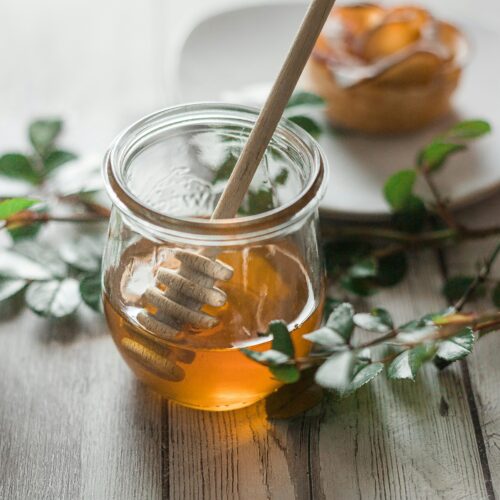
Raw unfiltered honey vs organic honey – The world of honey is vast. With different types of honey offering unique tastes, textures, and health benefits. Among the many honey varieties available, raw unfiltered honey and organic honey stand out as two of the most sought-after options. While both are considered healthier alternatives to regular honey, they are different things with unique characteristics.
This blog post explores the main differences between raw unfiltered honey vs organic honey. Their nutritional benefits, and how to choose the best honey brands for maximum health benefits.
What Is Raw Unfiltered Honey?
Raw unfiltered honey is unprocessed honey that has not undergone pasteurisation or extensive filtering. Unlike commercial honey, which is heated to high temperatures and filtered to remove impurities, raw honey retains its natural enzymes, bee pollen, and small particles such as bits of wax and even trace amounts of bee parts. This type of honey is considered the purest form of honey. Offering a high pollen content and a number of health benefits.
Because raw honey is not subjected to high heat, it retains its natural state. Preserving its beneficial nutrients and organic compounds. Many honey lovers consider raw honey the best tasting honey because of its distinct flavours and unique taste. Additionally, it has antibacterial properties and is widely used for wound healing and immune system support.
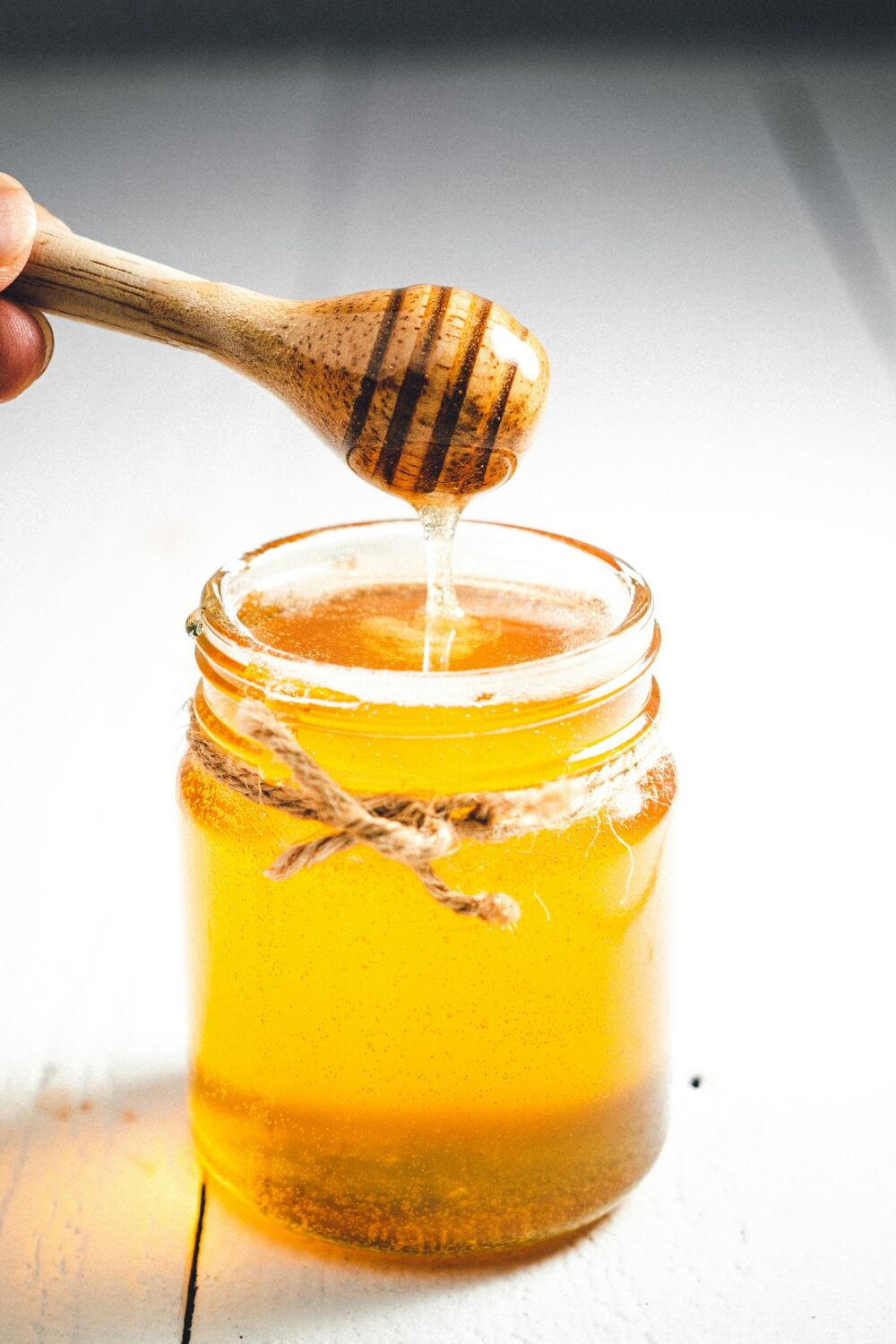
Characteristics Of Raw Unfiltered Honey
- Unprocessed and Unheated – The honey is not subjected to high temperatures, preserving its natural nutrients and enzymes.
- Cloudy Appearance – Because it hasn’t been filtered, it contains bee pollen, propolis, and tiny wax particles, giving it a cloudy or opaque look.
- Crystallisation Over Time – Raw honey naturally crystallises, which is a sign of purity rather than spoilage.
- Rich in Nutrients – Contains essential vitamins, minerals, antioxidants, and beneficial enzymes.
What Is Organic Honey?
Certified organic honey comes from apiaries that follow strict regulations regarding beekeeping practices and honey production. The bees collect nectar from flowers that aren’t treated with chemical miticides or pesticides. Ensuring the honey remains free from harmful chemicals. Organic honey must also undergo minimal processing and be free from additives such as corn syrup and sugar solution.
Organic honey is often considered a good option for those looking for a healthier alternative to industrial honey. However, it’s important to note that organic honey may still undergo some filtering processes to remove bee parts and air bubbles, which may slightly impact its nutritional value.
Despite this, high-quality organic honey retains its natural enzymes and beneficial nutrients. This alone makes it a better choice than regular honey found in most grocery stores.
Characteristics Of Organic Honey
- No Synthetic Chemicals – The flowers from which the bees collect nectar must be free from pesticides, herbicides, and synthetic fertilisers.
- No Antibiotics for Bees – Beekeepers must avoid using antibiotics on their bees.
- Ethical Beekeeping Practices – The bees must be treated humanely, with practices that promote sustainability and natural behaviours.
- Certified by Organic Bodies – In the UK, organic honey is typically certified by organisations like the Soil Association or the EU Organic Certification.
Raw Unfiltered Honey vs Organic Honey – The Differences
- Processing – Raw unfiltered honey undergoes minimal processing, retaining its natural form. Organic honey, while free from chemicals, may still be processed to remove impurities. However, any filtering process is as minimal as possible.
- Nutritional Content – Raw, natural honey contains high pollen content, amino acids, and natural enzymes, making it more nutritious than most bee products. Those new to consuming raw honey should take it slowly and increase over time. Organic honey, while still nutritious, may lose some of its beneficial nutrients during filtering.
- Shelf Life – Due to its unprocessed nature, raw honey may crystallise faster than organic honey. However, both types have a long shelf life if stored properly.
- Source – Raw honey can be sourced from local bee farmers or small beekeeping operations. Organic honey must meet strict organic certification standards, which may limit the number of available sources.
- Taste and Texture – Raw unfiltered honey often has a richer, more complex flavour with small particles of bee pollen and wax. Organic honey may be smoother due to filtration but still retains a distinct flavour.
Health Benefits Of Raw Unfiltered Honey vs Organic Honey
Both raw unfiltered honey and organic honey provide a number of health benefits, making them a good choice for those looking to improve their well-being. Some of the best health benefits include:
- Immune System Support – The antibacterial properties of raw honey and organic honey help fight infections and boost immunity.
- Wound Healing – Honey, especially raw honey, is known for its wound healing properties, making it a natural remedy for burns and cuts.
- Blood Sugar Levels Regulation – While honey is a natural sweetener, its glycemic index varies depending on the type of honey. Raw honey has a lower glycemic index compared to processed honey, making it a healthier option.
- Nutritional Value – Both types contain organic compounds, amino acids, and beneficial nutrients that contribute to overall health.
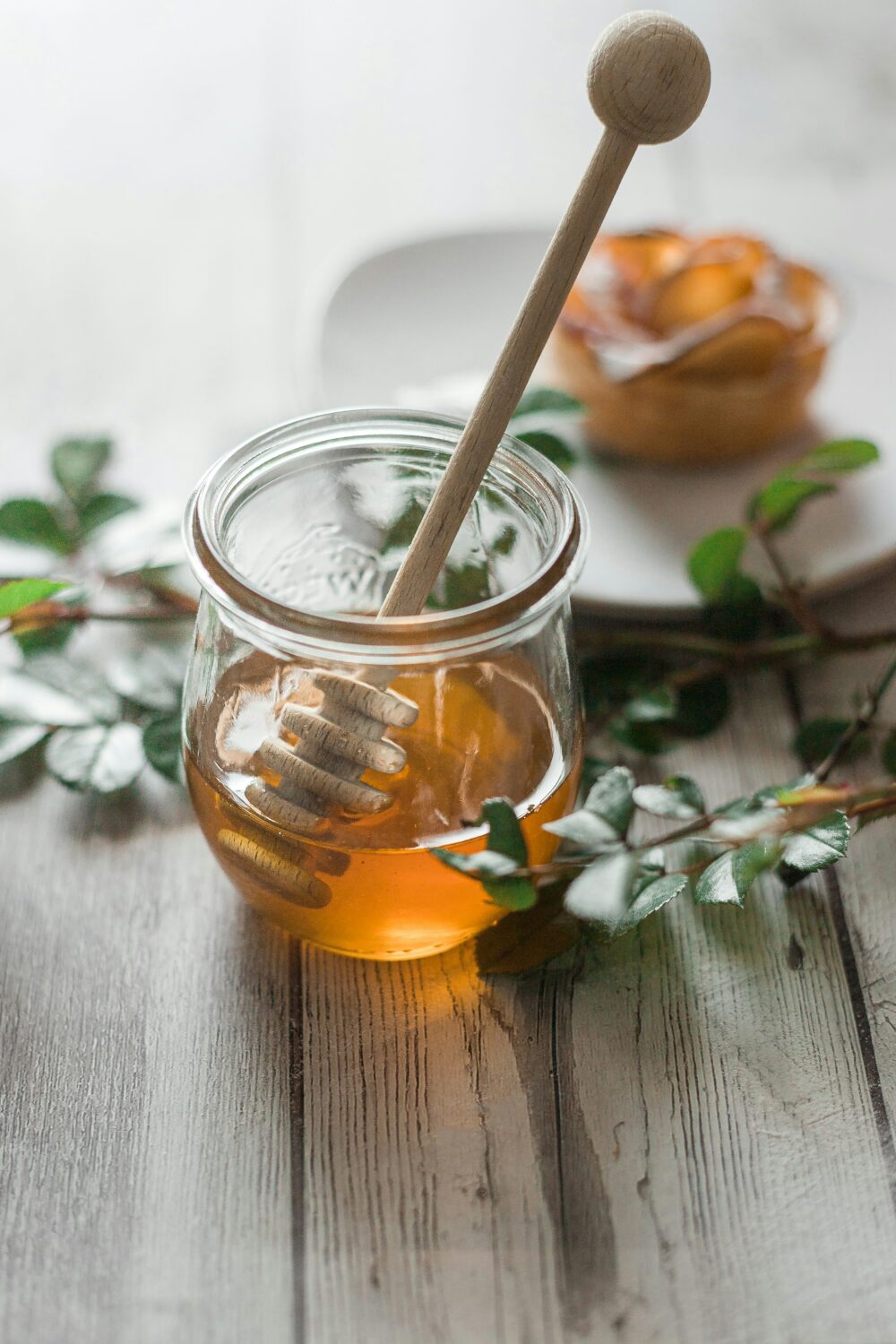
How To Choose The Best Honey
When selecting the best organic honey or raw unfiltered honey, consider the following factors…
- Source – Look for honey from local beekeepers or farmers’ markets to ensure high quality.
- Labelling – Check for terms such as “unpasteurised honey,” “raw organic honey,” and “pure honey” to ensure you are getting real honey.
- Texture and Appearance – Raw honey is often thicker, with small particles and a higher moisture content, whereas organic honey may be smoother.
- Brand Reputation – Research honey companies and choose reputable brands that produce the highest quality honey.
Where To Buy Raw Unfiltered Honey & Organic Honey
Finding high-quality honey is essential for reaping its benefits. Here are some great places to purchase both raw unfiltered and organic honey in the UK:
Online Retailers
- Amazon UK – Offers a variety of honey options, including certified organic and raw honey.
- Raw Pot Health – They offer a range of organic, raw honey, propolis, bee pollen and royal jelly.
- The Raw Honey Shop – Specialises in raw, unfiltered honey from trusted beekeepers.
- Buy Wholefoods Online – Offers both raw and organic honey options.
Local Farmers’ Markets
Many UK farmers’ markets sell local, raw honey directly from beekeepers. This ensures freshness and supports small-scale producers.
Health Food Stores
Stores like Planet Organic and Whole Foods Market often stock high-quality honey that meets organic or raw criteria.
Direct From Beekeepers
Visiting a local beekeeper is one of the best ways to get truly raw and unfiltered honey. Many small-scale beekeepers sell their local honey directly to customers through farm shops or websites.
Check The Labels
When buying honey, especially from a supermarket here in the UK, make sure you check the label on the back. Even if it says it’s an organic honey, if it says ‘honey blend’ in anyway, or that the honey comes from a few different places, don’t buy it! Honey blends, even if stated organic, might not be 100% organic due to their multitude of sources. Organic regulations aren’t as strict in some other countries.
Instead, buy an organic honey, or raw honey that has come from one source so you know if it says it’s organic, and the only ingredient is honey, then it’s organic honey.
With the increasing demand for good honey, the market is flooded with honey-like products that contain added corn syrup and other sweeteners. These fake honey products lack the nutritional value and beneficial nutrients found in raw and organic honey. To avoid industrial honey that may be adulterated, always purchase honey from reputable sources and check for authenticity labels.
Conclusion
When it comes to choosing between raw unfiltered honey and organic honey, both offer maximum health benefits and are a better choice than regular honey. Raw honey, in its purest form, provides the best tasting honey experience, along with a high pollen content and essential nutrients. Organic honey, while subjected to minimal processing, ensures that the quality of the honey remains high without exposure to chemical miticides.
For those seeking the highest quality honey, buying from local bee farmers, farmers’ markets, or trusted honey brands is the best thing to do. Whether you prefer raw unfiltered honey for its natural enzymes or certified organic honey for its strict regulations, both options are excellent natural sweeteners that contribute to a healthier lifestyle.
However, if you want the absolute purest honey possible, then choose raw unfiltered, organic honey from local bee keepers who are certified organic. Personally, i use organic honey for baking with and raw unfiltered honey to drizzle over cereal, or to take by the spoonful when i need an additional boost of energy.
Raw unfiltered honey vs organic honey, which would you choose?
Leave a Reply