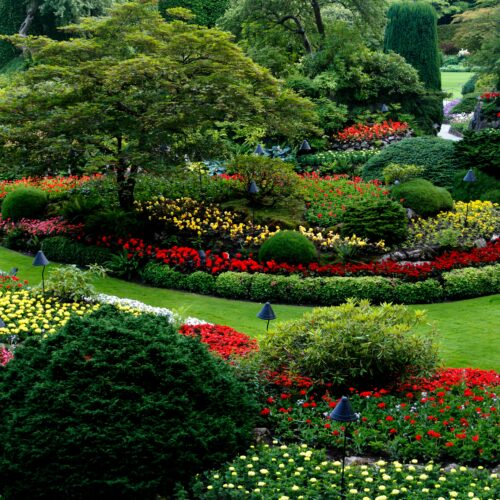
For many homeowners, a lush green lawn has long been the pride and joy of their outdoor space. However, the maintenance required to achieve and maintain that perfectly manicured appearance can come at a high environmental cost. Chemical fertilisers, pesticides, and gas-powered equipment release harmful pollutants into the air and water while requiring significant material and energy resources to produce.
As concerns rise about climate change, natural resource depletion, and toxic chemical exposure, a growing number of homeowners are seeking more sustainable approaches.
In this article, we will share some simple yet impactful tips for environmentally friendly lawn care that will benefit the planet and create a beautiful outdoor space you can feel good about.
Eco-Friendly Lawn Maintenance Techniques
Embracing eco-friendly lawn maintenance doesn’t just contribute to the well-being of our planet; it can also cultivate a healthier space for families and local wildlife to thrive. Often, these methods are environmentally sound and cost-effective in the long term. In the journey towards a greener future, every step counts.
Let’s consider some practical changes that can substantially reduce your lawn’s environmental footprint and make your gardening practices more sustainable.
Choose Native Plants
Native plants have the incredible advantage of being adapted to local environmental conditions, thus requiring far less water, fertiliser, and pesticides than their non-native counterparts. Plus, they provide essential habitat for local wildlife.
Opt For Organic Fertilisers
Organic fertilisers release nutrients slowly, match your plants’ growth needs, and enrich the soil with organic matter, making it less likely to erode or lose its fertility over time.
Practice Smart Watering
Overwatering is a common issue in lawn maintenance. Homeowners can significantly reduce water waste by watering only in the early morning or late evening and installing rain sensors.
Mulch Grass Clippings
Instead of bagging grass clippings, leave them on the lawn. They decompose and return valuable nutrients to the soil, requiring less additional fertilisation.
Manual Tools Over Gas-Powered
Electric or manual lawnmowers and tools dramatically reduce the emission of greenhouse gases. Additionally, they are quieter and reduce noise pollution.
Adopt Drought-Resistant Grasses
In regions prone to drought, planting drought-resistant grass varieties can significantly cut down on water use. These types of grass require less frequent watering and can survive on natural rainfall.
Encourage Beneficial Insects
Attract beneficial insects, such as ladybugs and bees, by planting a diverse mix of flowering plants. They can help control pest populations naturally, reducing the need for chemical insecticides.
Reduce Lawn Size
Consider reducing the overall size of your lawn by incorporating hardscaping, like patios or walkways, and expanding garden areas with perennials or shrubs. This change lessens the lawn’s environmental impact and creates a varied, inviting landscape.
Compost Yard Waste
Creating a compost bin for yard waste like leaves and trimmings can turn what would be garbage into nutrient-rich compost. This natural fertiliser can help maintain soil health without the need for synthetic products.
Implement A Rain Garden
Creating a rain garden in a low-lying area of your yard can enhance groundwater recharge and prevent runoff, which carries pollutants to local waterways. Rain gardens use native water-loving plants and can serve as an attractive focal point in the landscape.
Go Manual With Weeding
Using hand tools for weeding instead of herbicides is not only better for the environment but also provides a great opportunity for physical activity. This manual approach prevents chemicals from harming beneficial organisms in the soil.
Encourage A Clover Lawn
Incorporating clover into your lawn can improve soil health as clover fixes nitrogen from the air into the soil, which reduces the need for synthetic nitrogen fertilisers. Furthermore, clover is drought-tolerant and remains green even during dry spells.
Harvest Rainwater
Setting up rain barrels to collect rainwater is an excellent way to conserve water. Use this stored water for your lawn and plants, which is free and devoid of the chemicals found in treated tap water.
Adjust Your Mowing Height
Keep your lawn a bit taller to promote deeper root growth, which helps the grass withstand drought, disease, and pests more effectively. Taller grass also provides shade for the soil, reducing water evaporation.
Additional Tips For A Healthy Lawn
To foster a healthy, vibrant lawn, a multi-faceted approach that goes beyond the typical watering and mowing routine is essential. By adopting a series of holistic practices, homeowners can achieve a lush lawn that’s both aesthetically pleasing and environmentally responsible.
Here are some additional tips to keep your lawn thriving in an eco-friendly way:
- Conduct a Soil Test: A soil test provides valuable information on its nutrient content, pH level, and type, allowing you to tailor your gardening practices to your lawn’s specific needs.
- Aerate Your Lawn: Regular aeration helps to improve root growth and enhances the penetration of water and nutrients.
- Use Natural Weed Control: Boiling water, vinegar, or corn gluten meal can act as natural herbicides without chemicals to manage weeds.
- Install a Smart Irrigation System: Smart controllers can optimize your watering schedule based on local weather conditions, preventing unnecessary water usage.
- Plant Ground Covers: These low-maintenance plants can provide an attractive alternative to grassy areas, reducing the need for mowing and watering.
- Create a Buffer Zone: A strip of natural vegetation between your lawn and waterways can filter out pollutants and protect aquatic ecosystems.
- Encourage Earthworm Activity: Earthworms naturally aerate the soil and contribute to the nutrient cycle, enhancing soil structure and fertility.
- Practice Seasonal Lawn Care: Adapting your lawn care strategy to the changing seasons can promote year-round health and resilience.
- Educate Yourself on Lawn Alternatives: Research and consider alternatives like microclover blends or low-mow grasses that require less upkeep than traditional turf.
- Hire an Expert: If maintaining a healthy, green lawn feels overwhelming, contact a professional landscaper or an eco-friendly lawn care service. Their expertise and knowledge can help you achieve your desired results while minimising your environmental impact.
Closing Thoughts
Maintaining a healthy, sustainable lawn takes effort and commitment, but the rewards are well worth it. By implementing these eco-friendly practices, you can reduce your environmental impact while still enjoying a beautiful, functional outdoor space.
Stay informed and continue learning about new methods and technologies that promote responsible lawn care. With small changes and conscious choices, we can all contribute to creating a more sustainable future for our planet.
Collaborative Post
Leave a Reply