
How to make oregano oil at home – Oregano, not only is it a delicious culinary herb but also as a powerful natural remedy in traditional herbal medicine. In recent years, its reputation has expanded significantly as more wellness enthusiasts embrace homemade oregano oil for its numerous health benefits.
This comprehensive guide explains what oregano is. How it supports your health, and how you can create both infused oregano oil and oregano tinctures at home. We also discuss whether to use dried or fresh oregano and clarify the difference between tinctures and herbal oils. By the end, you’ll be fully equipped to prepare your own DIY oregano oil using simple ingredients and practical techniques.
What Is Oregano
Oregano, scientifically known as Origanum vulgare, is a perennial herb native to the Mediterranean region. Often found in warm climates, oregano is part of the mint family and plays a big part in Italian and Greek cuisines. The leaves of the oregano plant, along with the plant’s flowers, are rich in potent antioxidants and essential oils, particularly carvacrol and thymol, both known for their antimicrobial properties.
Carvacrol and thymol are natural chemical compounds found in plants in the Lamiaceae family such as oregano and thyme. Both are known especially for their antimicrobial and antioxidant properties.
In herbal medicine, oregano supports the immune system, treat skin issues, and relieve digestive problems. But perhaps one of the most effective ways to harness its medicinal properties is through oregano oil.
Health Benefits Of Oregano Oil
Oil of oregano (not the same as oregano essential oil, which is far more concentrated) is a natural remedy for a variety of medical conditions. Research has shown oregano oil is actually better at killing off viruses and bacteria than antibiotics! You also won’t get the negative effects antibiotics can also give you. Oregano oil kills off the bad guys without hurting the good bacteria in your gut, if taken correctly.
Some notable health benefits include…
Antimicrobial Properties
Oregano oil kills bacteria, parasites, viruses, and fungi. It can help in treating fungal infections, athlete’s foot, and ear infections. It’s also known to skill STREP.
Anti-inflammatory Effects
The oil contains rosmarinic acid, which has anti-inflammatory properties. This makes it useful for joint pain, sore throats, and skin irritation.
Antioxidant Power
Rich in potent antioxidants, oregano oil can neutralise free radicals in the body, which contribute to ageing and chronic diseases.
Immune System Support
Oregano oil can be a supportive tool during cold and flu season due to its immune-boosting compounds.
Digestive Health
A few drops of oregano oil in a carrier can stimulate bile flow and help with digestive problems like bloating and indigestion.
Lowers Cholesterol
Oregano oil is know to help lower high cholesterol levels in a safe way, without having to take medications such as statins. Seek medical advice first if you are currently taking statins.
Infused Oil vs Tincture: What’s The Difference
Before diving into recipes, it’s important to understand the difference between an oregano infused oil and an oregano tincture, as they serve different purposes and are prepared using different methods.
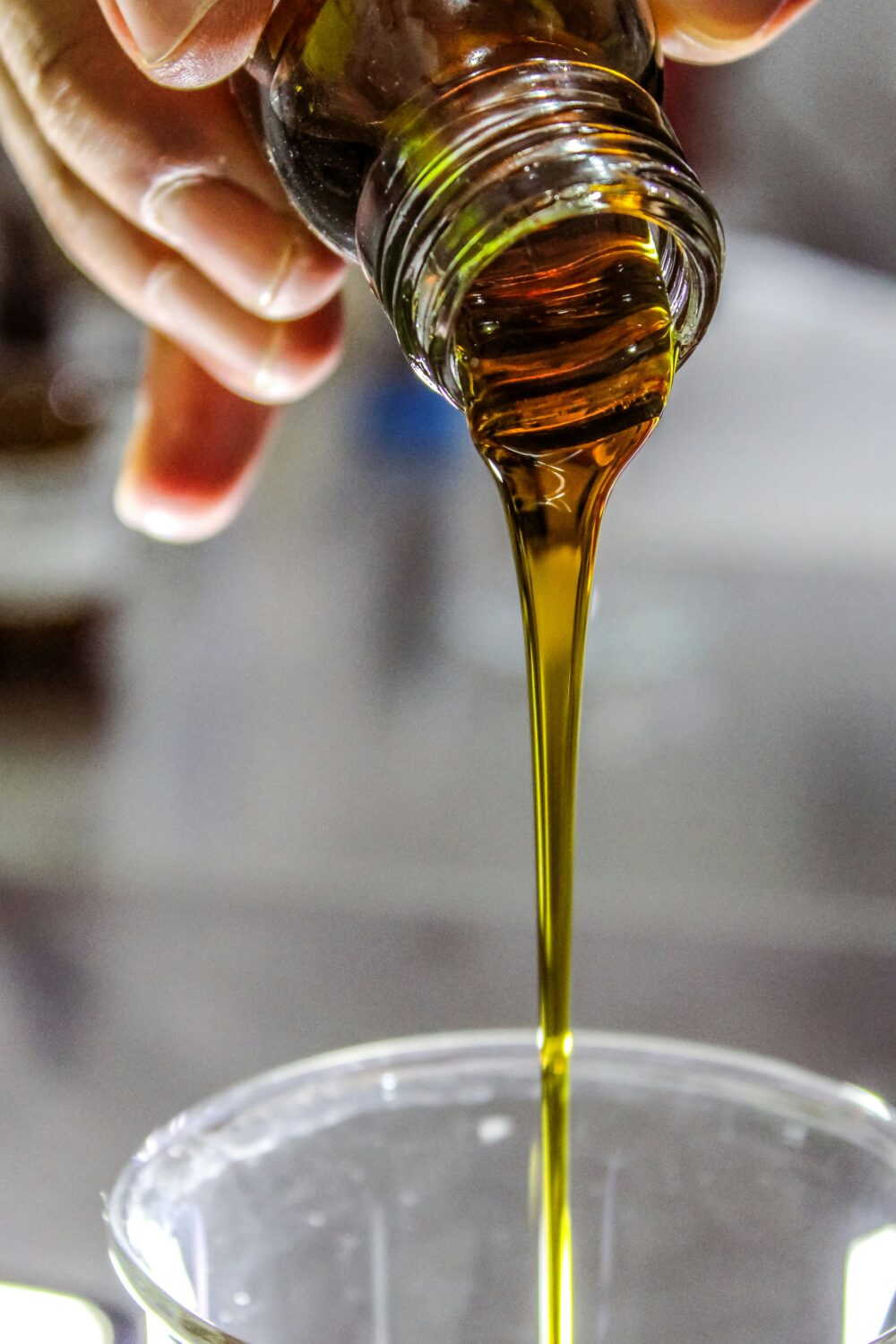
An infused oil is made by soaking the plant material – such as dried oregano leaves – in a carrier oil like olive oil or coconut oil. The medicinal properties of the oregano slowly infuse into the oil over time. This type of preparation is best for topical use on the skin and can also be used in culinary applications like salad dressings. Infused oils are gentle and versatile, making them ideal for skin irritation, joint pain, and other external uses.
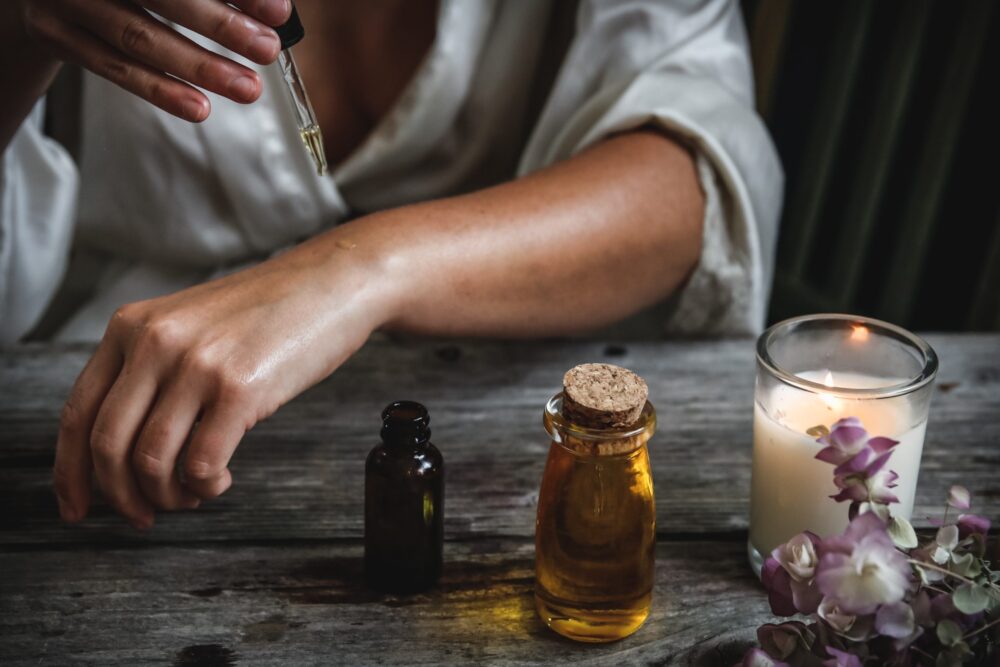
A tincture, on the other hand, is a highly concentrated herbal extract made using alcohol instead of oil. In this method, oregano is steeped in high-proof alcohol, which draws out more potent chemical compounds. Tinctures are primarily used for internal medicinal purposes, such as boosting the immune system or addressing digestive issues. Due to their strength, tinctures should be used in small doses and with professional guidance, especially if you are taking prescription medications or have underlying medical conditions.
In short, if you want something for external or culinary use, an infused oil is the best way to go. If you’re looking for a stronger remedy to be taken internally, a tincture is more appropriate – provided you follow safety precautions.
How To Make Your Own Oregano Oil At Home
You don’t need a lab or a chemistry degree to make your own homemade oregano oil. With simple ingredients, patience, and a few safety precautions, you can create a potent oil that retains most of the plant’s medicinal properties.
Ingredients
- Fresh or dried oregano leaves (from your garden or a grocery store)
- A carrier oil: olive oil, coconut oil, grapeseed oil, jojoba oil, almond oil, or avocado oil are all good options
- A clean mason jar or glass container
- A rubber band and cheesecloth or a secure lid
- A dark glass bottle for storage
Best Oils To Use
While olive oil is traditional and excellent for skin, coconut oil offers added antibacterial properties. Jojoba oil and grapeseed oil are good options for topical use due to their lighter texture. If you plan to use this internally, only use oils such as olive oil or coconut oil (note coconut oil will go hard in cold temperatures so olive oil is advised).
Fresh vs Dried Oregano – What Should You Use
Both fresh herbs and dried herbs work well, but each has pros and cons:
Fresh oregano leaves contain more moisture, which can increase the risk of bacterial growth during infusion. If using fresh oregano, wilt the fresh leaves for a day or two in a dry place to reduce moisture before infusing.
Dried oregano leaves have a longer shelf life and lower risk of spoilage, making them safer for beginners.
Homemade Oregano Oil Recipe
- Prepare The Oregano – Use equal parts of dried oregano and your chosen carrier oil. For example, 1 cup of dried oregano leaves to 1 cup of olive oil.
- Infusion Process – Place the oregano into your mason jar and cover it completely with oil. Use a spoon to press down the plant material so it’s fully submerged.
- Seal & Store – Seal the jar with a lid or cheesecloth and rubber band. Place in a dark place or cool place, away from direct sunlight, for 4 to 6 weeks. This is your infusion period. Alternatively, use a slow cooker on the lowest setting for 4 to 6 hours, keeping the lid off to avoid condensation.
- Strain & Store – After the infusion period, strain the oil through a fine mesh or cheesecloth into a dark glass bottle. Label it and note the date. Store in a cool place.
Making An Oregano Tincture Using Alcohol
If you’re looking for a stronger remedy with longer shelf life, consider making an oregano tincture.
Ingredients
- Fresh oregano leaves or dried oregano
- High-proof alcohol like vodka (at least 40% ABV)
- A mason jar
- Dropper bottle for storage
Method
- Fill a mason jar halfway with chopped fresh herbs or dried oregano leaves.
- Pour alcohol over the oregano until fully submerged.
- Seal the jar tightly and store in a dark place for 4 to 6 weeks, shaking every few days.
- Strain through cheesecloth into a dropper bottle.
This form is suitable for internal uses (under guidance) and is very concentrated.
Use Of Oregano Oil: Applications & Dosages
Oregano oil can be used both externally and internally – but safety measures are essential.
Topical Use
Dilute with a carrier oil at a lower concentration – typically 1 drop oregano oil to 1 teaspoon carrier oil. Apply to the affected area using a cotton swab. This is useful for treating fungal infections, skin issues, and joint pain.
Internal Uses
If you plan to take this infused oregano oil, or tincture internally, NEVER take it undiluted as it can burn. You can either take a sip of water, then add 3 drops of oil, or from the tincture into your mouth and swallow. Or put the drops into a small amount of water first and drink it. You can always put the infused oil on to your food instead (as you would with say olive oil) as the food will stop it from burning your skin.
Consult a healthcare provider if you are taking prescription medications or have existing medical conditions.
Safety Precautions & Potential Side Effects
Despite its many benefits, oregano oil safe use depends on understanding potential side effects and interactions:
- If pregnant, older children, and those taking blood thinners should avoid internal use without professional advice.
- Always perform a patch test on your skin to check for allergic reactions or adverse reactions.
- Oregano oil can cause skin irritation if used undiluted.
- Prolonged or excessive use may upset the stomach or liver.
Tips For Storage & Longevity
To store oregano oil properly and extend its shelf life, follow these tips:
- Keep in a dark glass bottle to protect from light degradation.
- Store in a cool place, ideally away from direct sunlight.
- Label with the date and ingredients used.
- Homemade oil typically lasts up to 6 months.
Incorporating Oregano Oil Into Your Daily Routine
Adding herbal oil like oregano to your daily routine can be simple and beneficial:
- Mix into salad dressings using olive oil infused with oregano.
- Use as part of your herbal remedies kit for colds, flu, or sore throats.
- Add a drop (diluted) to your bath for respiratory relief.
- Massage into joints for anti-inflammatory properties.
Final Thoughts: Is Homemade Oregano Oil Worth It
Absolutely. Learning to make your own oregano oil connects you with herbal medicine traditions and ensures you’re using clean, natural remedy-based options. Whether you’re making an infused oil for skincare, a tincture for flu season, or just adding flavour to food, oregano oil can be a valuable addition to your home apothecary.
With a few simple ingredients and a bit of patience, you can create a potent herbal oil that supports wellness and can be used in a variety of ways. Just remember: quality matters. Whether you’re harvesting your own oregano in early June or buying from a grocery store, ensure your herbs are clean and preferably organic. And always practise safety precautions, especially if you plan on using oregano oil internally.
So, next time you scroll through TikTok – make something truly nourishing – like your own DIY oregano oil recipe – and tap into the ancient power of plants.
Leave a Reply