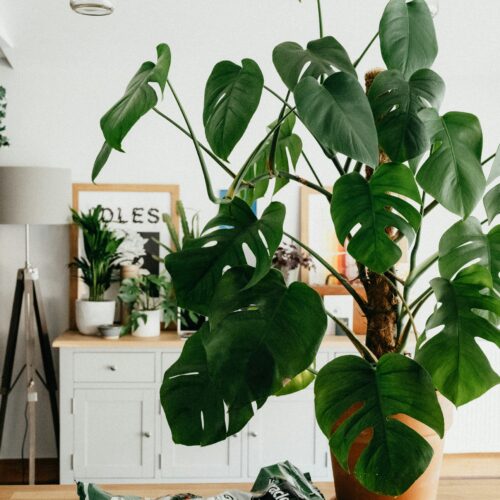
Do you love having plants inside your home but hate having those nasty little flies invading your personal space? Or perhaps you hate the look of uncovered soil in plant pots. Don’t worry, we have some tried and tested ideas to cover indoor plant soil that tackles both of these issues!
If you’re a plant lover, you know that taking care of your indoor plants involves more than just watering them regularly. From choosing the right pots to ensuring your plants get enough light, every little detail counts. One such detail that can make a big difference is the soil cover. You may have noticed that some plants seem to look even more vibrant with a little something on top of their soil. But why is it important, and what options do you have? In this blog post we delve into the benefits and creative ideas to cover indoor plant soil.
Why Grow Plants Indoors?
Other than looking nice, and adding colour and nature to a room, or space, growing plants indoors have great health benefits as well. A home with healthy plants grown in it will have a much better air quality than those that don’t. Not only do they use up the carbon dioxide we breathe out, many indoor plants can actually help clean the air from toxins. These toxins could be from mould in your home you can’t see, use of a wood burner, cooking food…etc.
Of course, the type of plant you choose will make a big difference. Some of the plants that could help to clean the air in your home include…
- Peace Lily
- Snake Plant
- Ferns
- Palms
- Aloe Vera
- Spider Plant
- English Ivy
- Rubber Plant
Of course, there are many other great plants to grow indoors, you just need to find the right plants for you in your home.
Why Cover Your Indoor Plant Soil?
Covering your plant soil isn’t just about looks (though it can definitely help with aesthetics!). There are several practical benefits to adding a layer of cover to your indoor plants:
- Moisture Retention: A cover helps keep moisture in the soil, reducing the need for frequent watering. This is especially helpful in dry indoor environments.
- Aesthetic Appeal: A decorative cover can complement your home décor, giving your plant displays a neat, polished look.
- Pest & Weed Control: By adding a cover, you can minimise the growth of unwanted weeds and reduce the likelihood of pests like gnats finding their way into your soil.
- Soil Protection: A layer on top helps prevent the soil from splashing out when you water your plants, keeping your surfaces cleaner.


The Type Of Soil For Indoor Plants
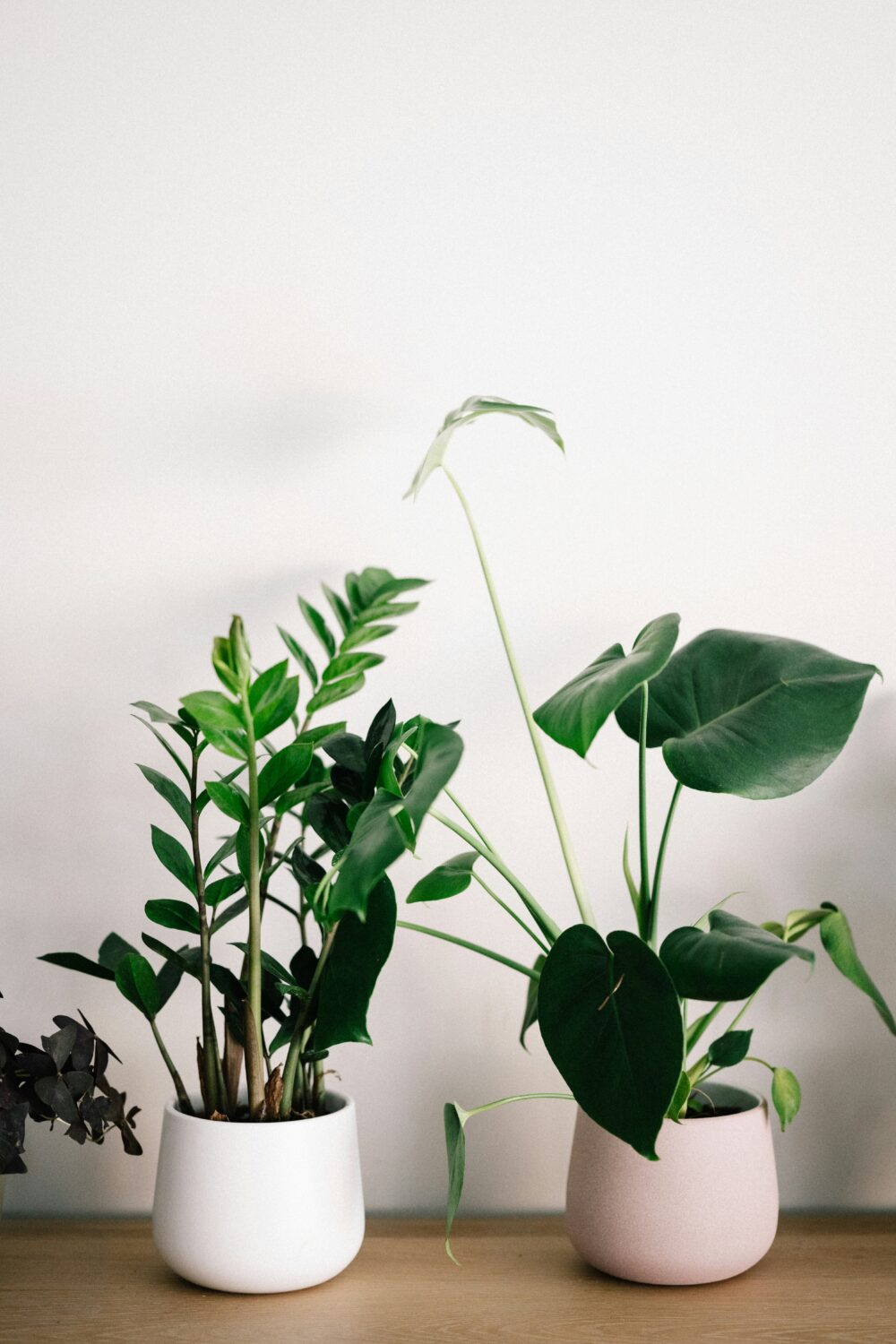
First off, you need to make sure you’re using the right kind of soil for your home garden. If you’re using normal garden soil, or potting soil, it’s likely you will see some of those pesky fungus gnats flying around your home pretty quickly.
Instead, you should be using coco coir mixed with perlite, vermiculite and coarse sand. This mixture is much less likely to cause issues with flies as it gives the soil good drainage. The coconut coir won’t hold as much water as the soil used for outdoor plants would.
Made from coconut husks, coco coir is a fantastic eco-friendly alternative to peat moss. It helps retain the right amount of moisture and provides a light, airy texture that prevents soil compaction. Plus, it’s biodegradable and renewable, so it’s a great choice for eco-conscious plant parents.
Materials To Cover Your Indoor Plant Soil
Now that you understand why it’s beneficial to cover your indoor plant soil, let’s take a look at some popular materials you can use. Whether you have large planters, small pots, or anything in between, this will work for any size and shape plant pot.
You’ll want to choose a cover that not only looks great but also aligns with the care needs of your plants. Here are some ideas to cover indoor plant soil…
Natural Soil Cover Options
- Coarse Sand or Pebbles: These are classic choices for covering plant soil, especially when you want to achieve a minimalist, sleek look. Coarse sand is excellent for improving drainage and preventing soil erosion, while pebbles help with moisture retention and provide a natural, organic vibe.
- Wood Chips or Bark: Wood chips or shredded bark can add a rustic touch to your plants. They’re great for retaining moisture, reducing evaporation, and they slowly break down, adding nutrients to the soil. Just be mindful of the type of wood you choose—avoid anything that might harbour pests or mould.
Decorative Soil Cover
- Coloured Stones: If you want to add a bit of flair to your plant pots, coloured stones are a fun and easy way to do so. From white to black to vibrant reds or blues, these stones can brighten up your plant’s pot and provide a sleek, modern look.
- Marbles: For an elegant touch, marbles can give your plant display a more sophisticated feel. They’re durable, don’t break down over time, and make for a gorgeous accent in any room.
Synthetic Options
Although we have listed some synthetic options, avoid these if you can as overtime plastic, rubber and other synthetic types of materials can breakdown and enter the soil, which could affect the plants organic matter. However, they are great if you don’t have anything else, want a budget friendly option, or want to make use of some leftover plastic…etc.
- Plastic Covers: If you’re looking for something easy to maintain, plastic covers are waterproof and can be easily wiped clean. While not as visually appealing as natural materials, they can do a great job of keeping moisture in and preventing soil spills.
- Rubber Mats: Another functional option, rubber mats are perfect for controlling soil messes, especially in pots that are frequently watered. They’re also reusable, which makes them a practical choice for low-maintenance plant care.
How To Apply Soil Covers
Now that you’ve selected your soil cover, it’s time to apply it. Here are a few simple ways to make sure it’s done right:
- Start with clean soil: The first thing to do is make sure the top of your soil is free of debris before applying any cover.
- Distribute evenly: Sprinkle your cover material evenly over the surface, ensuring that it’s not too thick. It should cover about the top inch of soil ideally. You don’t want to smother the plant roots or block water from reaching the soil.
- Leave space for growth: For plants that grow tall or have spreading roots, be sure not to place the cover too close to the stem or base. This allows your plant to continue growing without interference.
- Consider the plant’s needs: Some plants, like succulents, may benefit from a lighter layer of pebbles or coarse sand, while tropical plants may need something a bit more moisture-retaining, like coco coir or wood chips.
Reducing Excess Water In Pots
One thing fungus gnats love is moist soil, or stagnant water at the bottom of your grow pot. The bottom of your planter should be dry unless you’ve just watered it. Water sitting around in high humidity (such as in a warm home) is always going to tract things you don’t want.
Instead, try sitting your plants in a bowl of water for 30 minutes before allowing the excess water to drain out and then placing back in their indoor planters. This is a simple way to ensure you won’t get root rot from over watering your plants, and should deter fungus gnats from inhabiting your plants.
Choosing The Right Plant Pots
The type of plant pot you choose doesn’t matter too much, other than to make sure it has good drainage holes. There are so many different sizes of plant pots and planters, just make sure it fits your plant with additional space for it to grow over time. Of course, you’ll want to make sure it’s a pot you like, that fits the style of your home and is within your budget too!
Some people find it easier to sit their plant in it’s original pot, which then sits inside your decorative pot. This makes it easier to lift in and out when it comes to watering. It also means you can get most of the water out before placing back in it’s decorative pot.
Additional Tips & Considerations
- Rotate the Covers: Over time, covers can break down or mould, especially organic materials like bark or wood chips. Be sure to replace or rotate your covers every few months to keep your plants healthy and your space looking fresh.
- Match Your Home Décor: The beauty of covering your plant soil is that you can really get creative. Choose materials that not only help your plants thrive but also fit seamlessly into your home’s design. For a more modern look, go for sleek pebbles or marbles. If you prefer a more rustic feel, wood chips or coco coir might be perfect.
- Watch for Pests: While covers can help deter pests, always keep an eye out for any unwanted visitors, like fungus gnats or mould, especially if you’re using organic materials. A good rule of thumb is to avoid letting the cover stay too damp for extended periods.
Covering the plant’s soil may seem like a small detail, but it can have a significant impact on your plant’s health and appearance. Whether you’re looking to retain moisture, enhance the aesthetic of your space, or simply keep your soil from making a mess, there are plenty of creative and practical materials to choose from. So, next time you care for your plants, consider adding a beautiful cover to the top of the soil—it’s a simple change that can make a big difference!
What are some of your ideas to cover indoor plant soil?
Happy planting!
Leave a Reply