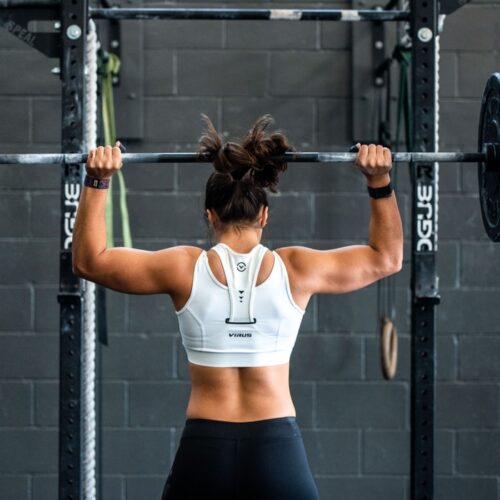
Fitness seems all the craze at the moment. With more and more online influencers posting their ‘awesome’ workouts across their social channels. So, for people like us ‘normal’ folk wanting to look like them, we try to keep up with what they’re posting. For someone who’s been doing it for years, this might be OK. However, if you’re just starting out, it can easily push you over the edge and actually do more harm than good. Overdoing your workouts at the gym can lead to all sorts of complications. Including – pulling muscles, being exhausted both physically and mentally. Ultimately, it can put you off wanting to go to the gym because you feel so out of it!
To help you recognise the signs you might be overdoing it. We’ve put together a few of our top things to look out for…
OH, and NO-ONE (other than maybe top athletes) needs to be at the gym for more than 2 hours at a time! Even that’s pushing things!
Nausea
This is a pretty obvious one – being sick during or after exercise is NOT what you want! If you’ve had to push yourself SO hard that you are sick afterwards, you may want to reassess your current fitness level. It might just be that you aren’t quite ready for that level of intense exercise yet. Which is OK, we all have to start somewhere!
Perhaps you’ve just started running and decided you’d do a 10k run which made you sick. This is a good sign you aren’t quite up to that distance yet. Maybe start with a 5k run or mix it up and do a half walk, half run to see how you go. Getting nauseous from your workout can also indicate that you might be dehydrated or be experiencing heat exhaustion. This can be treated with rest and fluids. DO NOT ignore this, as it can lead to complications if left untreated.
Illness
Exercising while you have a fever is not advisable for many reasons. Especially if you have fever. If your fever is over 100.5 degrees, DO NOT work out. Other than it being VERY dangerous for you, you also don’t want to give your illness to others in the gym. They will NOT appreciate this either.
Evidence suggests that exercising while feverish can actually prolong the illness. Meaning you’re then away from exercise and your fitness routine for even longer. It’s just not worth it. If you feel ill, rest and take a few days off to recover. This way you’ll come back stronger and feeling better than ever. More quickly too!

Muscle Soreness
If you have sore muscles during or directly after a workout, this is normal. However, beyond that, you may want to be more careful and perhaps lay off working that area until the soreness goes away. This is often a sign you’re overdoing your workouts. If, for example, the next morning you find you’re having joint pain.
Especially if associated with your previous days workout, you’ve probably pushed yourself a bit too hard. Also, if the soreness is getting in the way of normal daily functioning, you should give it some rest. You’ll find if you’re just starting out, you’ll get muscle soreness more often. This is why you’re advised to start off slowly and make sure you give each body part time to recover. The more you do it, the more your body will adapt to the increased work load. Meaning you’ll get less and less muscle soreness and fatigue.
Decrease In Performance
If you’re working out regularly and consistently, you should start to see your performance improve over time. You might be able to go for longer runs, or be able to lift heavier weights. However, if you feel unusually exhausted, it might be that you’re overtraining.
So, when you’re working out, try to focus on quality, not quantity. Those additional reps are not as beneficial as you think. No, you don’t need to be there for hours at a time. Get in, do what needs to be done and get out! Your body will not thank you for making it go all out for hours at a time. Instead of doing 20 reps on each exercise, up the weight and do 10 instead. This will half the time you spend exercising and will also help you lift heavier and heavier over time.
Mood Swings
If you’re overdoing your workouts, your body will be so tired that you may end up becoming moody, grumpy and just feel tired and hungry all the time.
While physical activity can be linked to a decrease in depression and anxiety, overtraining can actually increase irritability and moodiness.
Sleep Patterns
Being active during the day can help us burn off those extra calories and excess energy (if you are one of those luck ones). As well as giving us a good rest at night. However, if you are overtraining, the opposite may occur. You may start to feel restless at night, find it hard to switch off and get a good night sleep. If this is the case, maybe take a day or two off and you should start to see your sleep pattern return to normal.
Plus, you’ll feel well rested again. There may also be other reasons why you aren’t sleeping well but give this a try and see if it makes any difference to your sleep. If it doesn’t, it might be worth speaking to your GP or doctor to see if there might be any other health related issues stopping you from getting a good sleep.
Do you think you might be overdoing your workouts?
Leave a Reply