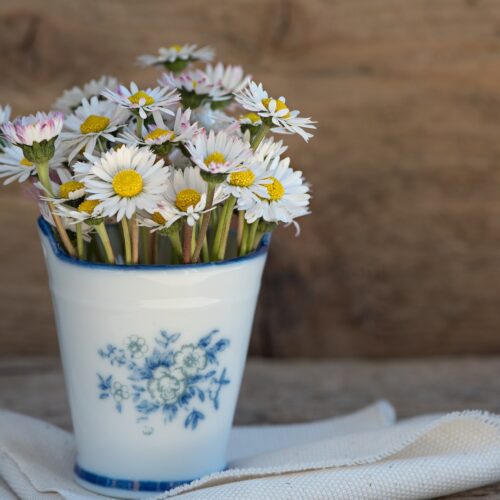
Rustic dream homes often have an earthy, natural feel that resonates throughout the entire property.
If you want your dream home to emulate a similar mood, then you need to be comfortable with making some key changes. It can be useful to implement some eco-friendly measures to give your home a natural feel, but the foundations need to be in place first. Part of that means gathering the right materials so that the bones of your property are rustic ready. After that, you can pay some more heed to décor as well.
Wood
As you might well expect, wood is the most common material you can find in rustic homes. For instance, a cottage-like abode will have wooden beams running across the ceilings. Thick timber pillars may also feature to support the ceiling.
Wood can feature in more subtle ways too. For example, there are wooden shutters that can look at home in these properties. Wooden fixtures can be subject to damp, but that doesn’t mean you can’t get the same effect. For bathrooms and conservatories, faux wood can be a fantastic alternative to traditional wood blinds, as they’re 100% waterproof. They’re also available in a variety of sizes and colours. Lifestyle Blinds provide numerous other affordable and stylish wooden blinds, so be sure to browse if you’re seeking to emphasise the rustic character of your home.
Be flexible here. Woods can feature splendidly whether they’re real, engineered or fake, so try not to let any distinctions deter you.
Stone
Stone is a staple of rustic homes. Like exposed brick, there are very few maintenance requirements to keep in mind here, if any should the material be of durable quality.
Moreover, the oldest buildings in the world likely have some element of stone and granite built into them. You can create a historic ambience here, as stone is long-lasting and incredibly hard to damage. Fireplaces, table and counter surfaces, floors, walls can all benefit aesthetically from its inclusion.
Try not to worry about stone looking too drab or dreary. Keep in mind that you can always decorate on and around it, whether you’re hanging picture flames or incorporating a few flours. Some lighting can add a considerable degree of warmth to the material as well.
Furthermore, stone allows for greater temperature control throughout your rustic home. Should your property become exceedingly hot in the summer, this material will help keep things cool, alongside other measures you’ve taken.

Burlap
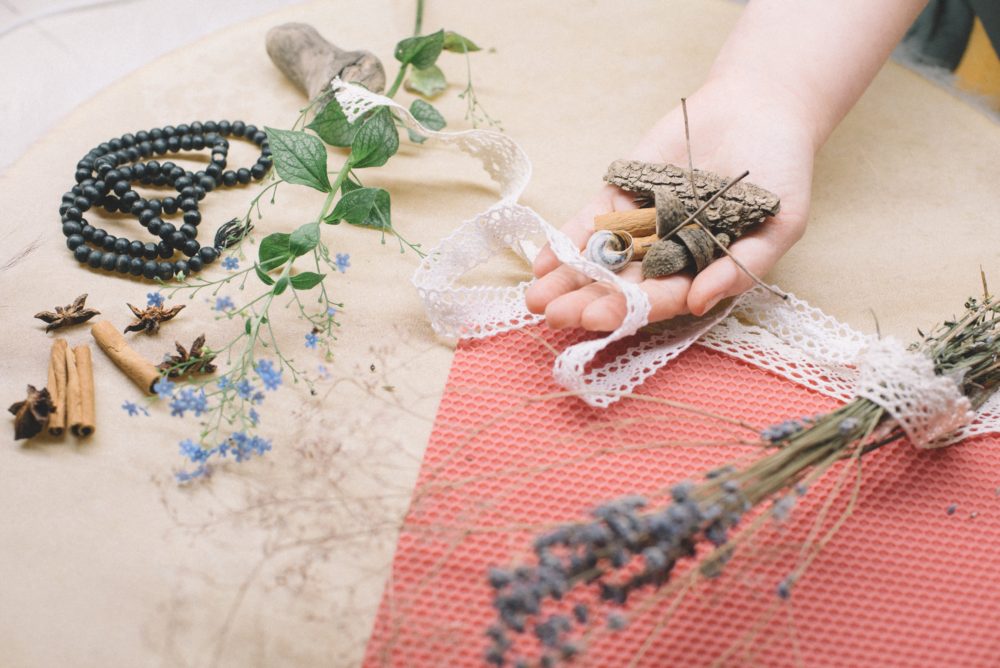
A low-cost material, burlap is used for the décor side of things rather than construction. Like the other materials mentioned, however, it can perpetuate an earthier and grounded energy in a rustic home.
Burlap can have many potential uses in your rustic property. It’s both practically useful and aesthetically pleasing. The material is used to create bags, furniture coverings, table cloths, wreaths, bunting, and covers for things like pots and jars. Obviously, the rustic applications here are numerous, so it’s worth having this dynamic material on display in as many different ways as possible.
Of course, if you have the material itself to hand, it can also be very useful in the way of DIY. Rustic homes can often benefit from a few personal touches from the owner. Therefore, if you ever fancy getting to grips with things yourself here, you have the perfect opportunity to do so with burlap. You can say the same for any woodworking you’re interested in doing too.
Exposed Brick
Bricks aren’t exactly natural in appearance. However, they can emulate the sense of rawness, grounded energy that rustic homes are known for.
The best part here is that you don’t always need to always make strenuous additions to your home. Many people incorporated exposed brickwork into their homes by reworking existing fireplaces or removing the plaster coverings on walls.
Of course, you should always consult a specialist before embarking on any major changes, but the work involved here can be much less taxing than you might assume. Nevertheless, it’s best to have safety in mind and to go through all the proper channels when seeing the work through.
Other perks here include low maintenance requirements, which can feed into that sense of naturality you might crave as an owner of a rustic property. It can also add character to your property, which may also increase its value.
Conclusion
The best materials for rustic homes can be used with various purposes in mind. So long as you’re willing to be creative and make a few bold decisions, the potential here is limitless.
Tap into your love of all things rustic, use support services and specialists where needed, and enjoy imbuing your home with a wonderfully natural energy.
What materials would you use in your dream home?
Collaborative Post
Leave a Reply