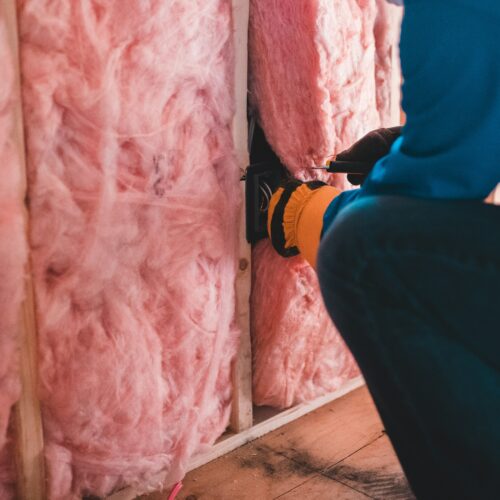
The kind of insulation that you use can have a significant impact on your home. It will likely make it a more comfortable space to spend time in with fewer cold spots and drafty corners. However, it can also keep your energy bills down and lower your carbon footprint.
Changing your insulation is a reasonably big job, and you need to make sure that you take the right steps. From looking out for potentially dangerous insulation materials to installing everything correctly. Here’s what you should know before you start the process.
Heat Loss Survey
Before you get started, it’s a good idea to see what the strengths and weaknesses of your current home insulation are.
To properly assess this, you’ll generally need to have a heat loss survey carried out. This survey will use a thermal imaging system to see where heat is being lost from your home. Likely confirming some of your suspicions while also uncovering new problem areas that you weren’t aware of.
Testing Your Existing Insulation
While the majority of insulation materials nowadays are totally safe to deal with, that hasn’t always been the case. Some materials can cause skin and lung irritation that should dissipate within around a week. However, others such as asbestos insulation board can lead to a range of different cancers.
If your existing insulation was installed before the 1980s, it’s important that you get a sample of the insulation tested before you rip it all out. If the sample comes back positive for asbestos, then you’ll likely need to get it removed by professionals.
Don’t Forget Windows
In most houses, windows are the least thermally efficient areas in the whole building. As a result, the majority of the heat will be lost through these surfaces.
If you’re really serious about improving the insulation in your home, then you need to make sure that you also upgrade your approach to window insulation.
If they’re single-glazed or have any gaps around the edges, it’s definitely worth looking into getting at least double-glazing. Not only will this massively improve the effectiveness of your insulation, but it will also block a lot more noise from the outside world.
Installing Everything Correctly
Lastly, once you’ve identified where you need to install better insulation, you need to choose and, importantly, install that insulation correctly. How you do this will depend on the insulation material you opt for of course.
In all cases, however, you need to make sure that you seal against draughts, and take a proactive approach to moisture management. If installed incorrectly, you may experience moisture build-ups over time, which can then lead to mould and more serious forms of structural damage.
As you can see, there’s a lot that goes into improving your home’s insulation. It’s not cheap, and it will likely require the assistance of a range of professional services. That being said, the end result will definitely be worth it; if done properly, you’ll have a home that’s more comfortable, cheaper to heat, and with a higher resale value.
Collaborative Post
Leave a Reply