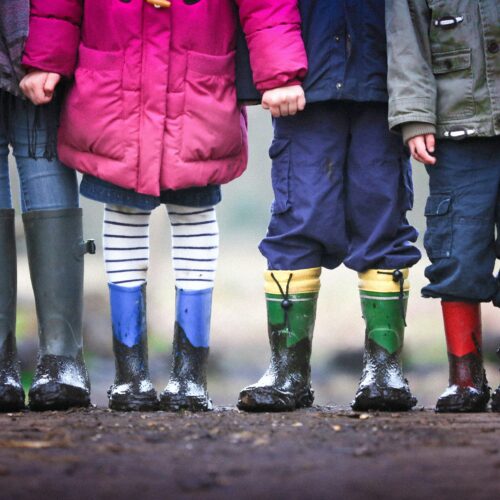
Nurture A Child’s Development – When we think of garden design, we often picture serene landscapes, neat flower beds, or spaces for relaxation. But for families with young children, a garden can be so much more than a place to unwind — it can be a living, breathing extension of their learning and development. By thoughtfully incorporating elements like a toddler swing or a toddler climbing frame, you can create an outdoor space that encourages physical activity, imagination, and skill-building. Designing a garden around your child’s growth offers a chance to inspire creativity, support early development, and foster a lifelong love of nature.
In this article, we’ll explore how to create a child-friendly outdoor space that supports your little one’s journey through the formative years — all while keeping your garden both beautiful and practical.
Why Outdoor Play Matters
The benefits of outdoor play for children are well-documented. Time spent outside not only supports physical development but also encourages cognitive and social growth. The garden becomes a backdrop for endless adventures — one moment it’s a pirate ship, the next a jungle to explore. Free play in an outdoor environment enhances gross motor skills, improves mood, encourages independence, and promotes healthy risk-taking.
Designing your garden to meet these needs isn’t just about installing toys or play structures; it’s about creating an environment that responds to your child’s evolving interests and capabilities.
Start With Safety First
Before diving into the fun stuff, ensure the garden is safe and secure. Soft grass or protective surfacing under play areas can cushion falls. Make sure any fences or gates are child-proof and keep harmful tools, chemicals, or prickly plants out of reach. A safe garden is a garden where both you and your child can relax and enjoy playtime together.
Create Zones For Different Types Of Play
A well-designed family garden often includes distinct zones, each offering different opportunities for development:
1. Active Play Zone
This is where your child can let off steam. Physical play is crucial for developing strength, balance, and coordination — and this is where a toddler climbing frame comes into its own. A climbing frame offers far more than a simple way to burn energy. Climbing, crawling, balancing and sliding help develop core muscles and spatial awareness, all while encouraging perseverance and confidence.
Complement the climbing frame with a toddler swing, which supports balance and rhythm, as well as delivering the sheer joy of flying through the air. Look for swings that grow with your child, with secure seating for toddlers and adaptable features for older children.
You can also add stepping stones, balance beams, or even a small wooden bridge to encourage imaginative movement.
2. Imaginative Play Area
Encourage creativity by giving your child space to invent their own games and stories. A playhouse, sandpit, or mud kitchen can become a world of possibilities. These areas support role-playing, storytelling, and social interaction.
Natural elements such as tree stumps, large pebbles, or logs can be repurposed as part of this space, fuelling their imagination while connecting them with the outdoors.
3. Sensory Garden
Stimulate your child’s senses with an area dedicated to sights, sounds, smells, and textures. Use brightly coloured flowers, rustling grasses, scented herbs like lavender and mint, and tactile materials such as bark, stones, or shells. This type of sensory play is especially beneficial for toddlers, helping to develop language and cognitive processing.
Add wind chimes, a shallow water feature (with close supervision), or textured stepping paths to make this zone both peaceful and stimulating.
4. Quiet Corner
Sometimes children need a break from high-energy play. A quiet nook filled with cushions, blankets, or even a hammock can give them a place to recharge. Consider building a small reading den under a tree or creating a shaded tent with canopies. This space can also become a little hideaway for observing bugs, sketching leaves, or cloud-gazing.
Grow Together: Involve Your Child In Gardening
Gardening is a brilliant way to introduce your child to the natural world and teach valuable life skills. Planting seeds, watering flowers, and watching plants grow teaches patience, responsibility, and an appreciation for the environment.
Set up a raised bed or small vegetable patch just for them, with easy-to-grow options like strawberries, tomatoes, or sunflowers. Let them dig in the soil, collect leaves, and get messy — it’s all part of the fun (and learning!).
For added engagement, give them their own tools and perhaps even a personalised gardening apron. Toddlers will love feeling like they have an important role in helping the garden thrive.
Make It Adaptable
Children grow quickly, and so do their interests and abilities. When planning your garden, think ahead and choose elements that can evolve over time. A toddler climbing frame, for instance, might come with modular add-ons that extend its use into the preschool years.
Likewise, raised beds can be reimagined as fairy gardens, mini wildlife habitats, or even insect observation stations as your child’s curiosity develops.
Flexibility is key — your garden doesn’t need to be fixed in time. It should be a living, changing space that continues to support your child’s growth.
Add Personal Touches
The best family gardens feel personal. Let your child help paint plant pots, design garden signs, or name different areas of the garden. Hang their artwork in waterproof frames or use chalkboards for them to leave little messages or drawings.
Another way to nurture a child’s development is by creating a “memory path” with painted stones marking special days or milestones – like the day they planted their first seed or climbed the climbing frame on their own.
Keep It Low Maintenance
Nurture a child’s development in a low maintenance garden. Opt for easy-care plants, artificial grass in high-traffic zones, and storage solutions for outdoor toys and tools. Make use of weather-resistant materials and washable surfaces to ensure the garden stays tidy and safe without constant effort.
Final Thoughts
Designing your garden around your child’s development is about more than just play equipment — it’s about creating an enriching environment that supports learning, exploration, and joy. From the giggles on the toddler swing to the triumphant climb of a toddler climbing frame, your outdoor space can become the setting for some of their happiest — and most formative — memories.
So whether you have a sprawling lawn or a compact courtyard, there are countless ways to transform it into a garden that grows right alongside your child. The only limit is your imagination — and, of course, theirs.
What do you do to nurture a child’s development?
Collaborative Post
Leave a Reply