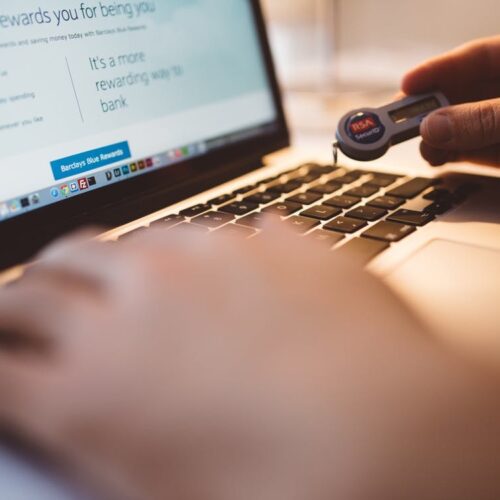
The internet has made our lives so much easier and much more entertaining. However, it also puts us at risk every time we log on. Internet fraudsters are everywhere and they’re constantly looking at ways to steal your data. Due to more and more people working from home and working remotely. It’s become easier than ever for hackers to gain access to our personal details. So, how exactly can you protect your online security?
Protecting Yourself On Social Media
Social media has become an integrated part of most of our lives. Offering the opportunity to keep in touch with friends and family, while also enabling us to interact with strangers, there are many ways your identity could come under fire when using social media. So, how can you protect yourself?
A simple way to protect your identity, is to make sure you only add friends that you actually know. You should also change your settings to “friends only” so that any posts you create are completely private. Finally, avoid putting anything too personal on social media sites such as phone numbers and addresses.
Be Wary When Paying Online
Arguably one of the best things to come out of the internet is online shopping. With the convenience and variety of products found online, it’s no wonder that 51% of consumers prefer to shop online than visit in-store. However, this can lead to possible threats to your bank’s security. When buying online, make sure you always pay using a secure network. Don’t attempt to make payments over a free wi-fi for example, as you never know who else has access to this line of information. Similarly, never save your credit or current account card details on your computer. It might be easier than reaching for your wallet every time you want to pay but saving this information to your browser can leave you vulnerable if your laptop is lost or stolen. These few careful decisions can make all the difference to your online shopping habits.
Email Links & Attachments
Finally, one of the most common ways people are stung by online fraud, is by clicking on email attachments and links. Unless you know with 100% certainty that the email is sent by someone you trust, you should never click any links or attachments. These often take you to pages requesting your banking information, where fraudsters will quickly steal your details and wipe out your bank account.
These are just some of the best ways to protect your online identity. Being careful about what you share and who you share it with is especially important. It’s also worth having different passwords for different sites. The more careful you are, the safer your details will be.
Collaborative Post
Leave a Reply