
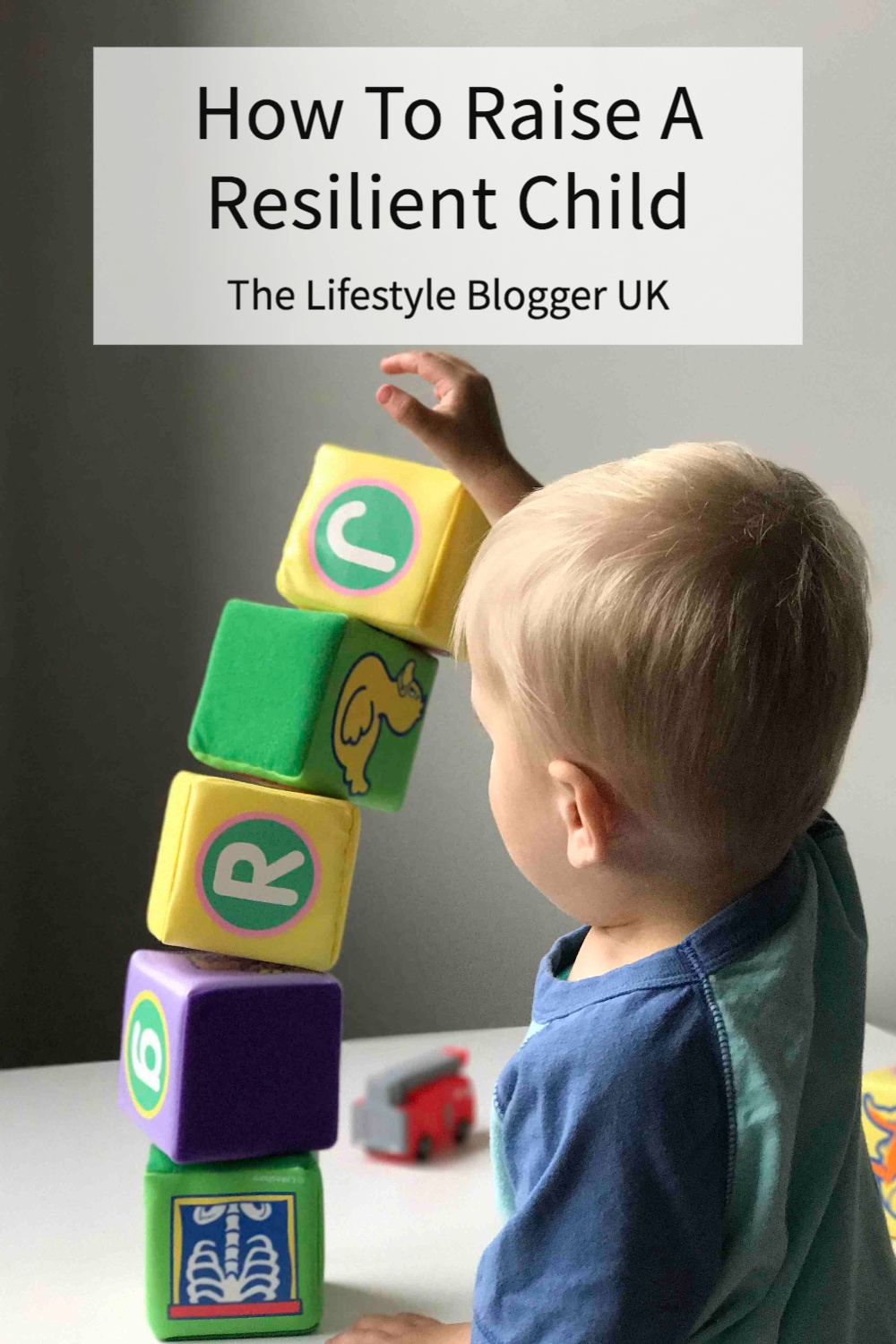
The characteristics of a strong willed child and how to raise one to be resilient.
In order to develop your child’s awareness of learning to be resilient, engaged and focused, your child will need to be shown how to handle a range of feelings and emotions. It often comes from years of regular training and direction from parents in order to get right, and it can feel like a chore, but it’ll be very much worth it in the end.
Related Post – The Important Benefits Of Extra-Curricular Activities For Children
To help your child understand the meaning of resilience, here are some ways you can support them from this private school in London.
Characteristics Of A Strong Willed Child
- Likes to learn at their own pace
- Has strong opinions of their own
- Strong sense of right & wrong
- Demonstrates an interest in school
- Like to solves problems
- Assertive
- Shows initiative
- Empathetic toward others
- Responsible and trustworthy
Work On Identifying Your Child’s Emotions
A child that’s able to figure out their thoughts and feelings will help them understand how they convey themselves. It develops their own awareness, and gives them the chance to break down what these issues mean. It also means they get to help themselves out of certain situations. In doing this, your child is able to work on how to overcome these feelings. Or how they should react in general when they appear.
Related Post – How To Ask For Help When It Comes To Mental Health
If there’s an issue happening in school for example, your child may feel confused, distraught, or just generally annoyed. They may not know what those feelings are just yet and need to have a bit of direction in learning about those feelings.
Similarly with positive feelings – your child is going to want to explore what makes them happy, and in doing so will help your child become one with their feelings.
Give Your Child A Range Of Challenges
Having an environment where your child is able to challenge themselves will become a big part of how they interact with others. They can manage each problem they face head on, especially in school and when playing with friends and family. This can start early on in the introduction of problem solving board games and activities. Make games and play time educational to keep your child entertained.
Related Post – The Simple Benefits Of Outdoor Learning For Children
Maintain open dialogue with your child and ask them about how they’re getting on in school as they progress through their studies. They may feel really stuck in some areas of school, or they’re just having general disagreements with friends.
Whatever the issues may be, challenge your child to tackle these problems in ways that suit them. Try not to interfere with their choices too much unless you feel that their decision is going to impact the outcome heavily. Make them feel happy with the decisions they make in order to help them feel responsible and independent.
Give Your Child Responsibilities
From a young age your child can work on things that will make them feel a part of the home through picking up regular tasks around the house. Cleaning up a room can take a lot of weight off your own shoulders, as well as teaching your child how they can look after themselves without you around.
Related Post – How To Help Your Child With Their Social Skills
As your child becomes older they’ll be able to handle themselves more often. You can test this by leaving your child to their own devices for a few hours, if you have somewhere to be or they have to look after their brother or sister. These little things can gear them up for future requests from you or others.
Teach Them Tasks To Prepare For Adulthood
When your child becomes an adult they’re going to have a lot more responsibilities than they first thought. They’re going to pick up a lot of skills in that time if they haven’t been taught them already, which is where you come in.
Related Post – How To Teach Your Children About The Value Of Money
Encourage them to go shopping with you, give them them list and give them the responsibility of completing it. Show them how to talk to strangers, or those that approach the home – delivery drivers…etc.
These examples can help your child know how to handle these situations when they’re older.
Collaborative Post
Leave a Reply