Many people would tell you that isolation exercises, or accessory workouts, have no place in a real weight lifting program. However, they are wrong, you should look at isolation exercises as the frosting on top of the cake. Without the cake itself, just the frosting would be too sweet and not really very filing.
Yes, you really need to be doing more compound exercises, but the accessory workouts (isolation exercises) will add value as well.
Table Of Contents
What Are Isolation Exercises?
Isolation exercises are also known as accessory workouts. You wouldn’t generally do an entire workout doing isolation exercises, you would add them to your main workout programme – as an accessory.
Compound movements are exercises that incorporate multiple muscle groups at the same time. Whereas isolation exercises are strength training exercises that focus on just one muscle group at a time.
For example, things like the bench press, or squats aren’t isolation exercises as they incorporate more than one muscle group. The same can be said when it comes to chest exercises. Although you’re working the chest muscles, it’s likely you’re also working the shoulders, triceps, and biceps at the same time. Even an exercise like the chest fly will also be working your core muscles.
Related Post – The Beginners Guide To Lifting Weights – Home Or Gym
Whether you’re a beginner to weight lifting or a seasoned weight lifter, accessory workouts should be done by everyone and added to a workout program.
Benefits Of Isolation Exercises
Isolation exercises are great to include in a training program when working on any muscle imbalances or weaknesses. For example, if your right quad was stronger than your left, you might want to start doing isolation movement exercises such as pistol squats to work on strengthening the weaker side. Whereas doing a squat would work both legs, a pistol squat would work each leg individually so you can ensure both are as strong as each other.
Related Post – Compound Exercises Or Isolation Exercises – Which Are Better?
- Works on improving muscle imbalances
- Helps to target specific muscle groups
- Can aid recovery from injury
- Can help to prevent injury
- Better control over muscles
- Works on better mind muscle connection
What Is The Mind Muscle Connection?
As touched on briefly above, isolation exercises can help when it comes to improving your mind-muscle connection. But what is it, and what does it mean when we talk about mind-muscle connection? Simply put, the mind-muscle connection is your ability to feel the muscle or muscles you’re working with.
Related Post – Understanding Your BMI – Body Mass Index
Research has shown that the better your mind-to-muscle connection is, the more you will be able to grow that muscle by working it harder and more effectively.
One way to effectively do this is by visualising the muscle moving and contracting as you exercise. Putting your mind into the muscle to feel every little movement. This is where isolation exercises come in to help. By working one muscle, or muscle group at a time, you’ll likely be able to feel the muscle working better as you can concentrate on one muscle at a time.
Accessory Workouts For The Glutes
When it comes to isolation exercises or accessory workouts for the glutes, this is even more important. The glutes in general, are known to be quite a lazy muscle and need a bit of attention to get them fired up before a workout. By using isolation exercises on your glutes before a workout, you’ll likely find you can get more from them during your heavy compound lifts.
For example, before doing squats, or deadlifts, try doing a few of the below exercises to see if it makes a difference. Once they’re warmed up, you should also get a much better mind-muscle connection during your compound lifts.
Some Of The Best Isolation Exercises
Shoulders
- Shrugs
- Reverse Flys
- Dumbbell Lateral Raise
- Dumbbell Front Raise
- Single Arm Front Cable Raise
- Single Arm Lateral Cable Raise
- Car Drivers
Triceps
- Tricep Kickback
- Skull Crushers
- Overhead Tricep Extension
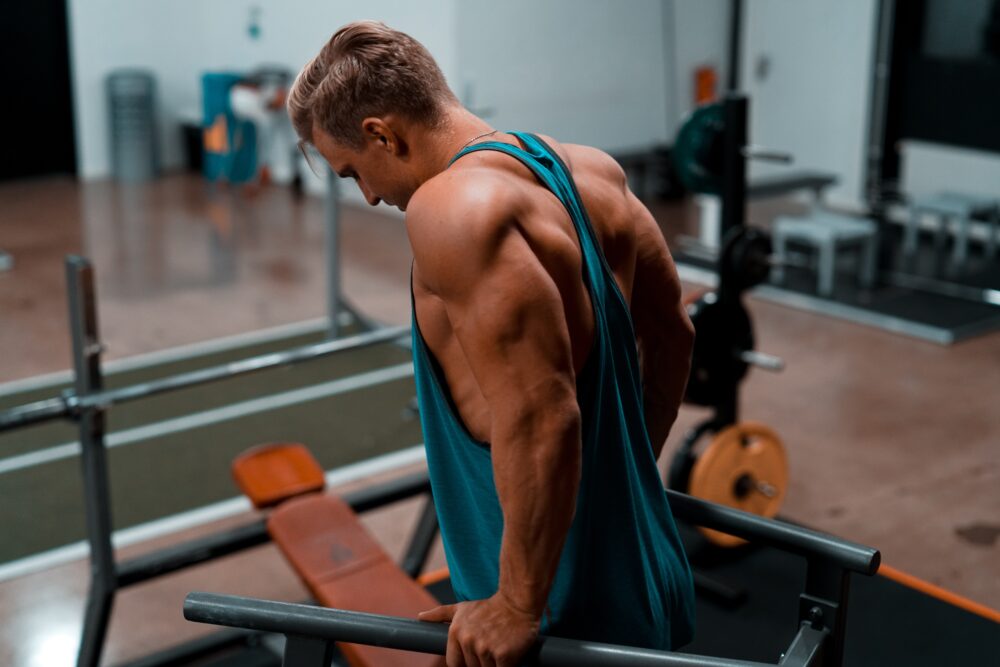
- Tricep Dips
- Tricep Extensions
Legs
- Seated Hamstring Curls
- Calf Raises
- Lying Leg Curls
- Leg Extensions
- Single Leg Cable Kickback
Glutes
- Glute Bridge
- Single Leg Glute Bridge
- Single Leg RDLs
- Glute Kickback
Abdominals
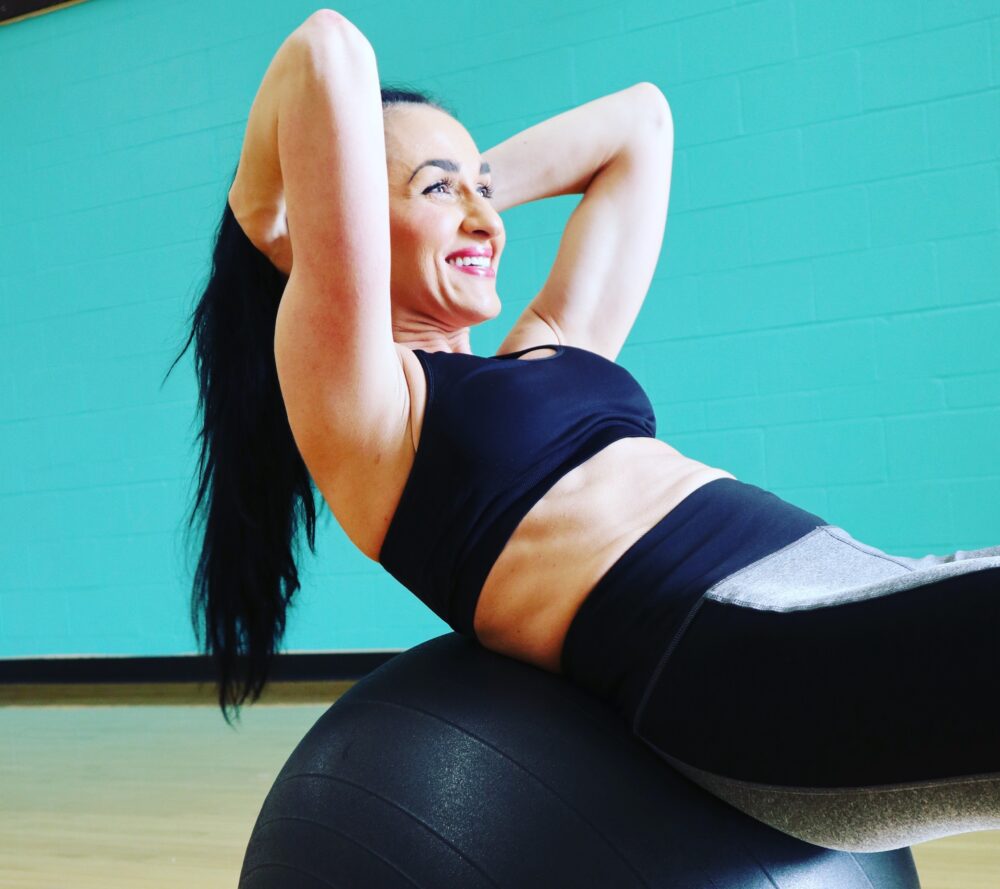
- Sit Ups
- Plank
- Side Plank
- Cable Crunches
- Hollow Hold
Biceps
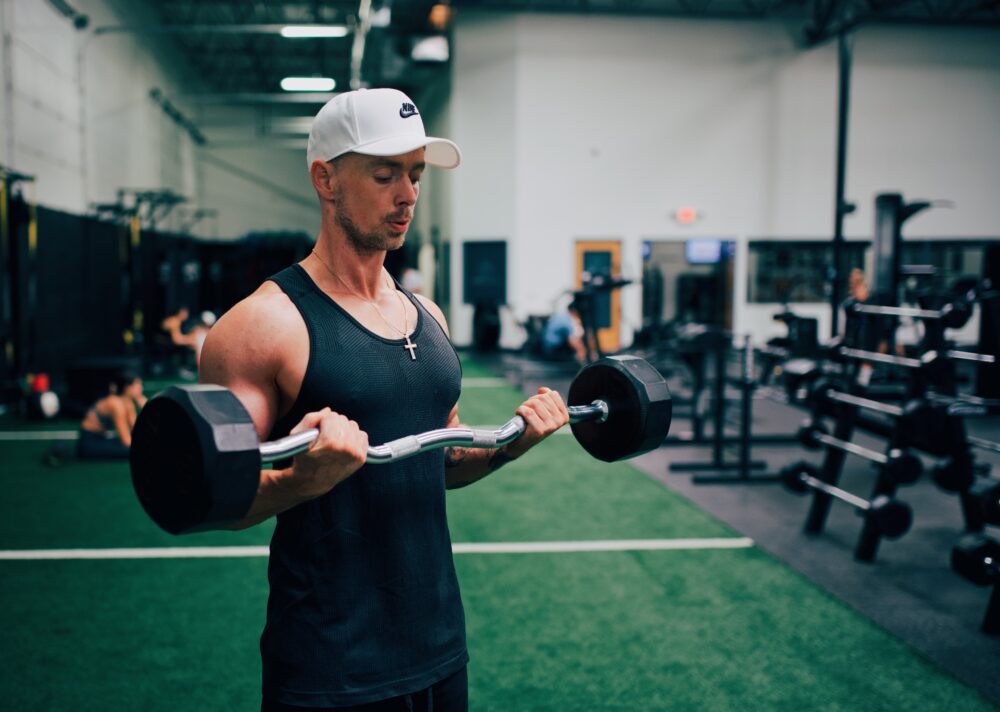
- Bicep Curls
- Concentration Curls
- Hammer Curls
- EZ-Bar Curl
- Preacher Curls
- Cable Curls
- Overhead Cable Curls
Where To Include Isolation Exercises In A Workout
This really depends on what you are looking to achieve and how seriously you’re taking your training. For example, for someone looking to be a physique competitor on stage, this type of exercise is VERY important to ensure your muscles are symmetrical. However, if you’re just training to look and feel good, doing accessory workout exercises is only needed to ensure your muscles are balanced.
Related Post – How To Workout At The Right Frequency For You
When including these exercises into your workout, you should look to add them in either after a compound exercise working the same muscle group or towards the end of your workout.
Remember, a sprinkling of accessory workouts is all you need in your fitness routine, or one-two per session, or body part. For example, if you’re doing a glute workout, after you’ve done some heavy hip thrusts you could add on a quick burnout set of glute bridges to focus on just working your glutes until failure.
I completely agree with what is written. But, there is an important nuance. If your training “diet” does not contain basic exercises, isolation will be useless or the effect of isolation exercises will be extremely low.
In any case, thanks for this post! I even linked to it on my website.