
An Integral Daily Practice (IDP) is a way to organise your life so that you achieve your full potential. Successful people know that being at the top of their game requires a delicate balance between effort, relaxation, support and recovery. No-one can sustain peak performance indefinitely. This is why it is key for you to understand your biological rhythm.
An IDP is a daily routine based on biological rhythms. There are times of day when our hormones and energy levels peak. Other times of day are more conducive to ‘flow’ state focus or relaxation. By studying and understanding your biological rhythm, we can maximise our chances of success.
My late night habit
For a long time, I assumed that I was a ‘night owl’, who got my best work done in the small hours – generally after 2 am. I reinforced this belief through habit. Go to bed late, wake up late, go to bed late, ad infinitum. What I didn’t realise is that I got my best work done at night because there were no distractions. My mind wasn’t any clearer than it would be if I performed the same task at, say, 10 am, after a restful sleep. I now know that I am, in fact, way more productive and do my best work in the morning. The key to success is eliminating distractions. The simple act of disconnecting from the internet makes me a far more effective person, and I reap all the benefits of not being a night owl.
Unhealthy sleep patterns lead to obesity and a host of other problems. Getting sleep sorted is the foundation for both wellbeing and IDP success. Once you have established a sleep routine – preferably waking up at dawn – then you are ready to segment your day into chunks of time that match your hormonal and cognitive rhythms.
Let’s look at the key components of an IDP. We’ll group the activities in zones.
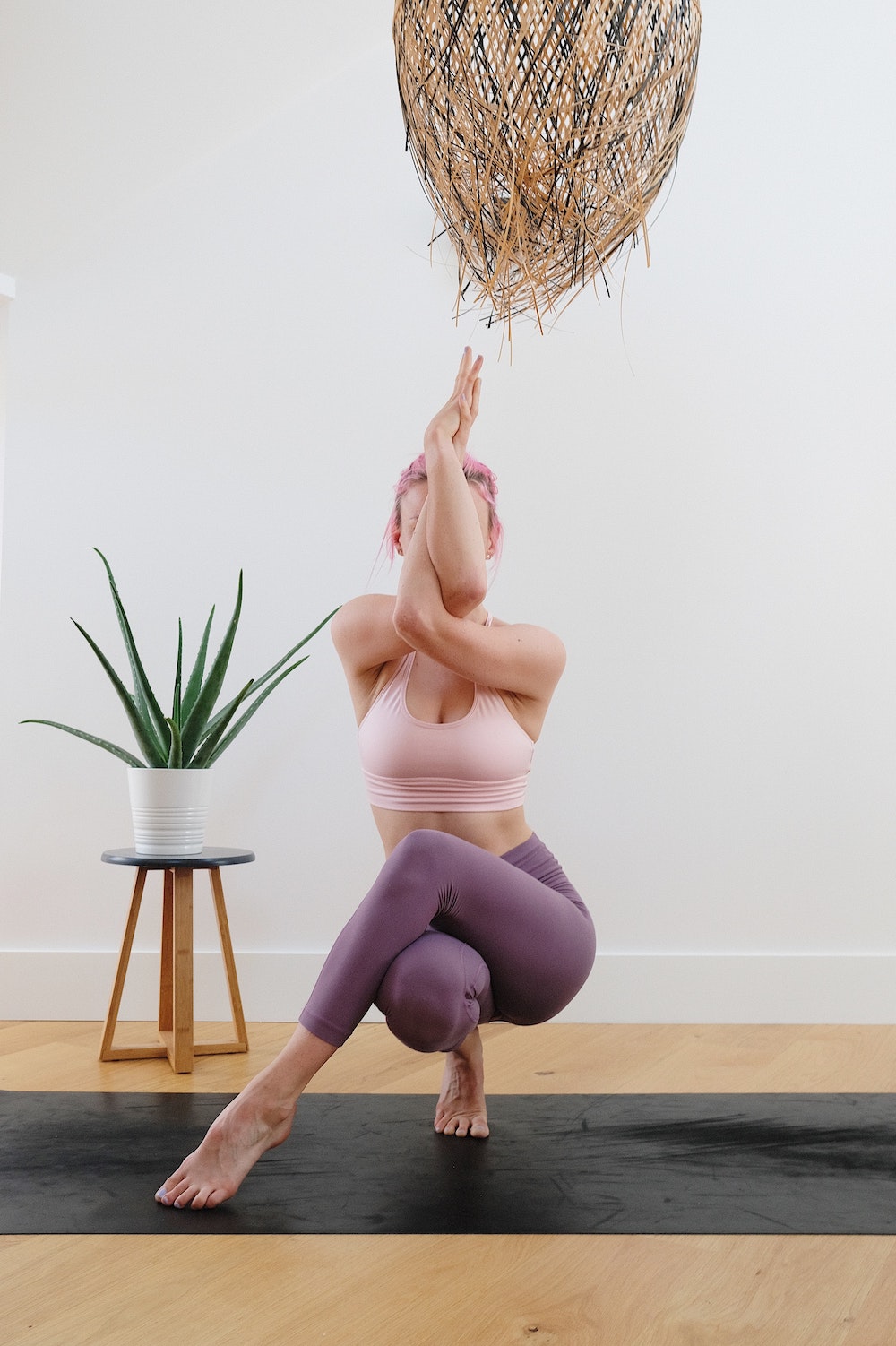
Move zones
Movement is key to the IDP. Start the morning with a stretch to mobilise joints and muscles. Schedule a walk after lunch. Do your power exercises around 5pm.
Flow zones
For most, the morning (possibly 9 am to 10:30 am) and just after lunch are our optimal times for achieving deep work. We are relaxed and able to sink into tasks with a sense of confidence and clarity. At these times we should disconnect from the noise and cultivate the conditions for flow. This means having a clear and achievable objective, enough challenge to get us moving and enough skill to build momentum.
When flow happens, you will feel timeless absorption in the task. Enjoy what for many is considered our peak experience.
Connection zones
Straight after deep focus and flow zones it’s time to go and connect with others. Socialise and enjoy strengthening bonds. Use this as a way to un-focus and to let the noise flood back in. Reconnect on email, social media and text message as well. Remember to keep your connection fun and light-hearted. It is an important way to restore your cognitive capacity.
Slow zones
Slow zones are when you practice active relaxation. You stay clear of noisy distractions and focus on specific restorative disciplines. These include eating healthy foods, taking a power nap, meditation and a cool down period before bed.
Ritualise your life
Creating an IDP takes time and effort. Introducing rituals helps establish new patterns. Consider your morning stretch a sacred part of your day and follow it with meditation. Perhaps you can preface these activities by lighting an incense stick. There’s your ritual.
Maybe you have a favourite song. Putting that on to initiate flow zone can become your productivity ritual.
In the evening, after your devices are switched off perhaps you water the plants, or walk down the road for some fresh air. That’s your slow zone ritual.
Creating a plan that works for you takes time and consistent effort. For more advice about the IDP check out the Resilience Institute’s guide to mastering each day and get on track to become the best version of yourself.
Remember: Move, Flow, Connect, Slow. Do you live to your biological rhythm?
Collaborative Post
Leave a Reply