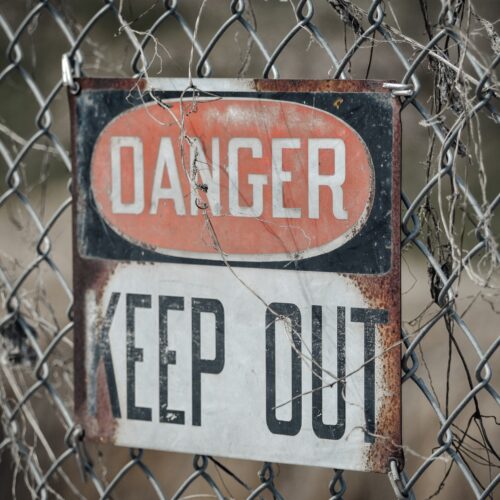
We’ve all seen signage telling us to keep out of a specific area or to not perform some specific activity. For the most part, we don’t give them a second thought, adhering to the request and moving on with our business.
When you stop to think about it, prohibition signs actually play a much larger role than we realise. Some signs keep workers protected while others are meant to keep people out of private or potentially dangerous areas. Whatever the situation or setting, prohibition signs are a lot more commonplace than you realise.

No Smoking
One of the most common types of prohibition signs you will come across is the “no smoking” sign. Prohibition signs are probably most common in both the commercial and industrial sectors, typically for safety or liability reasons. Smoking legislation has been passed in recent years that make it a lot smarter to have a cigarette in a public space.
No smoking signs can also keep an environment safer. Wherever you are dealing with hazardous chemicals or materials, you are bound to see a no-smoking sign. That’s because fire – even a small bit from the end of a cigarette – can wind up causing fire or even an explosion if it ends up in the wrong place.
No Trespassing
Certain areas and pieces of property are not meant to have people treading over and over again. The best way to keep people out is to put up a sign that dispels trespassing or walking into a restricted area. This is as much about protecting those people as it is about protecting the business from legal complications.
There are also safety issues that these signs are meant to prevent. Industrial buildings will have “do not enter” signs for particularly hazardous areas, for instance. Heck, you will see “do not enter” signs out on the road, keeping you from going the wrong way and causing an accident.
Potential Dangers
Not all prohibition signs are telling you not to do something. Some of these signs will illustrate the potential dangers of a particular area, action, or substance. Those signs can help illustrate how dangerous those things are and help to keep passersby safe (usually by keeping them out of the area).
There is also a liability aspect to consider for businesses. There is a need to post these signs to protect against potential negligence claims that can wind up costing major dollars. Think of these signs as covering bases and ensuring that all parties are protected in many different ways.
Stop
The simplest, most common form of prohibition sign that you will see. This one is simple: stop. Stop signs are meant to convey a simple message whether you are out on the street, meeting safety standards at work, or something else entirely.
Stop signs are really simple and so commonplace that some people don’t really take them seriously. But blowing through a stop sign can wind up having serious negative consequences that could have otherwise been avoided.
No Entry
Buildings that allow public access have areas that not everyone is allowed to be in. The best way to convey that is through the use of a “no entry” sign. Most of the time, these signs will designate that only authorized personnel are allowed in the area.
For the nosy or aloof people who tend to wind up in places that they shouldn’t be, the “no entry” sign can be the key to dispelling them. Keep those areas free and clear of unwanted guests with a simple sign that does the job.
Collaborative Post
Leave a Reply