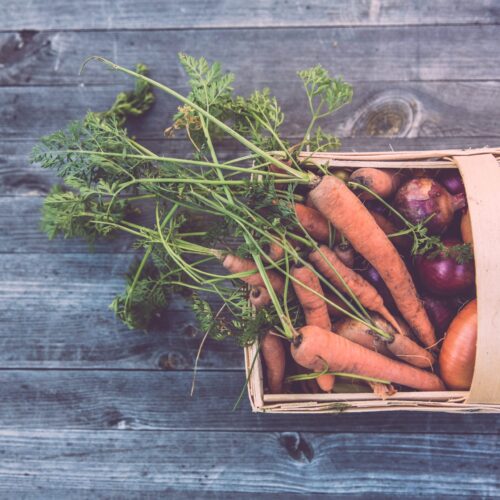
Growing organic plants and vegetables starts from planting organic seedlings – that’s the simple part!
As we’re all becoming more health conscious, and worried about the cost of living, it’s no surprise more of us are trying our hand at growing our own vegetables.
If you’re thinking of starting an organic garden of your own, here are some tips to get you started. From investing in a poly tunnel and planting those important organic seedlings, to using the right type of organic matter.
Related Post – Top 5 Trends For Gardeners
The Importance Of Mulch
If you aren’t planning on using any chemicals on your plants, you’re going to need to protect them in another way. One way is to use mulch.
Better Homes & Gardens magazine suggests adding a layer of mulch over your garden’s soil before you plant your organic seedlings.
Not only will it help to prevent the spores that cause fungal diseases from getting to your plants. It will also help to reduce the number of weeds that you will have to remove. By using an organic mulch you will also be adding extra organic matter into your soil to improve its quality.
Use The Right Organic Matter
When you choose the right type of organic matter you’ll find your soil structure improves and your plants will thrive. One of the best types of organic matter to use on your plants is horse manure. However if this isn’t available you could always use a home-made compost.
Related Post – Healthy Eating Made Easy With Homegrown Goods
You can make good quality compost at home yourself which will be much cheaper. You simply need a half and half mix of carbon rich and nitrogen rich materials.
This can be achieved by mixing grass cuttings with cardboard and woody stems in equal amounts. This will ensure your garden has an excellent compost that will make your plants and veggies look their best.
Controlling Weeds
Controlling weeds in your garden can be challenging when you decide not to use any kind of chemicals. The Royal Horticultural Society suggests regularly hoeing and forking your garden can kill weeds effectively.
In some situations, such as on pathways where no threat is present to any kind of wildlife or plants, you could use a flame gun to eradicate problem weeds. However do be careful if you do this, and don’t do it on a hot dry day!
Preventing the dispersal of seeds is a key element to stopping excessive weed growth in your garden, but one way of helping to protect your soil is to cover it with black sheeting or to consider choosing ground cover plants for your flowerbeds since they can also effectively guard against weeds taking hold.
Related Post – How To Expand Your Home Into Your Garden
Preventing Pests
In standard gardening pests can be prevented by using chemical insecticides and pesticides, however this isn’t possible when organic gardening. Luckily, there are several safe, natural methods which can be used to eradicate common garden pests from your plants.
Covering your plants with an insect proof mesh will help to guard against infestations, while using pheromone traps is another useful way of eliminating pests like the codling moth. If you grow cabbage in your garden, you may want to consider planting clover since this has been shown to be effective in reducing the number of common cabbage pests present.
Related Post – How To Look After Your Garden This Winter Season
Harvesting Your Crop
When growing vegetables organically you will need to harvest your crop regularly as this is the best way to encourage your plants to produce more. Check your garden on a daily basis, and always use a sharp knife or gardening scissors to cut produce instead of pulling with your fingers as this can damage the delicate plant tissue.
Related Post – How To Make Cauliflower Rice
If you are growing organic herbs, it’s important to harvest them at the right time. If you are planning to use them fresh in your homemade recipes. You can pick them immediately before using them. However if you’re planning to dry them and use them later you should always wait until just before they begin to flower as they will have more flavour. Herbs should generally be harvested in the mid-morning, however basil is the exception as it should be harvested late in the afternoon.
Related Post – Autumnal Garden Maintenance
Which organic seedlings would start off with to grow your little vegetable patch?
Leave a Reply