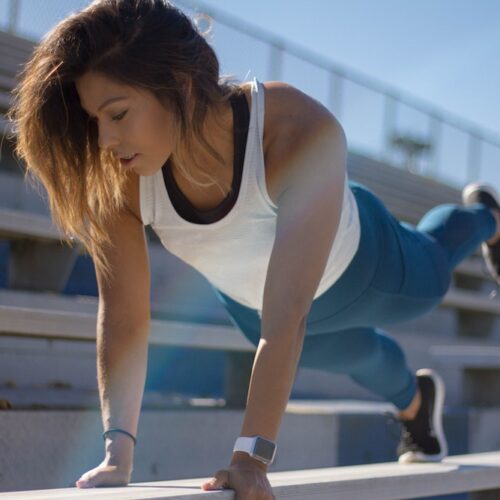
Buying the right workout gear is essential if you want to get more out of your exercise routine or outdoor activities. Workout clothing can help to improve performance and keep you cool and comfortable, so you can keep going for longer.
It also helps with motivation if you look the part, and feel great doing so in your cute sports bras and sustainable leggings. So, if you’re currently working out in an old t-shirt and pair of well-worn shorts (fine if that’s what you’re comfortable in), perhaps consider investing in some proper workout clothes.
Related Post – How To Workout At The Right Frequency For You
However, workout clothing has become much more about being fashionable, as well as practical these days – not to mention the environmental impact to have to consider as well. So, how do you choose the right sustainable workout clothes?
What Type Of Exercise Will You Be Doing?
The first question to ask yourself is what type of exercise you plan to do in your new high quality sustainable gym wear?
You can get away with wearing the same high-quality pieces for most activities these days, however, this isn’t true for every exercise.
For example, if you plan to use your new ethical workout clothes for something like yoga, you can get away with wearing more stretchy fabrics. Perhaps some yoga pants with a loose-fitting top could be ideal. Something that makes you feel great, whilst still doing its job. Low impact sports bras are perfect for this type of activity as you aren’t jumping around too much.
Whereas if your active lifestyle is more focused on bodybuilding or weight lifting, for example, it would be better to wear more tight-fitting clothes. Ensuring no clothing items get in your way while throwing heavy weights around. Perhaps instead of a loose, flowing top, you might wear a pair of squat proof shorts or leggings instead, along with a medium-impact sports bra.
On the other hand, if you love to go outdoors for a long run, or love to jump around in the gym, a high-impact sports bra is a must – especially for those with a bigger bust. You could pair your new sports bra with a pair of leggings or even some cute bike shorts.
Sustainable Materials
Once you know what kind of sustainable athletic wear you need for your specific activity, the next aspect is to look at the sustainable fabrics available to you.
Related Post – Simple Everyday Swaps To Be More Eco-Friendly
The material used in your eco friendly activewear is one of the most important things to consider because you need workout clothes that are breathable and that repel moisture. The less water and sweat you have sticking to you during your workout, the better!
Some eco-friendly fabrics include…
- Cotton
- Recycled polyester
- Recycled nylon
- Bamboo
- Merino wool
These days, you might even be able to find some sustainable clothing brands that offer items made from recycled plastic bottles. As I’m sure you’re aware, plastic water bottles are some of the worst things the planet now has to deal with so any way we can reuse them to stop them from going into landfill is a major plus.
Organic Cotton
Plant-based fabrics such as cotton are very popular and are a great natural resource as it’s kinder to the environment and isn’t reliant on chemicals that damage the soil and kills wildlife. Organic cotton will use approximately 85% less water than some other natural resources and requires less energy to be produced. Making it a lot more sustainable than non-organic cotton.
Related Post – Gluten-Free Vegan Protein Powder – Get £10 OFF Huel
When growing fair trade organic cotton, the farmers are generally paid fair wages, much higher than most farmers would receive. Plus, they aren’t then also exposed to toxic chemicals and fertilisers – both are known to carry serious health impacts.
So why is organic cotton so great for use in activewear? Other than the better growing and producing conditions, organic cotton allows clothing to breathe better than most. However, as it isn’t a stretchy fabric, it’s often mixed with other materials such as spandex to allow for a tighter, and a more figure-hugging fit. Ideal for all body types and generally fond at more affordable prices than say bamboo or merino wool.
Recycled Polyester
Synthetic materials such as polyester, on the other hand, will repel sweat and can even help to maintain your temperature in the cold winter as well as the warmer summer months. It’s the ideal fabric to use if you plan to have a sweaty workout session.
Related Post – The Advantages Of Isolation Exercises
However, because polyester isn’t a sustainable fabric and often brings with it a lot of environmental issues, try to opt for recycled polyester where possible. Studies have shown that items made using recycled polyester can reduce greenhouse gas emissions and energy consumption by as much as 50%.
Recycled Nylon
Nylon is great at keeping moisture away, but it’s not a climate neutral fabric. So again, if you do like this kind of material, see if you can find a recycled nylon option instead if you wish to do your bit for the environment.
The eco-credentials for recycled nylon are almost as great as that of recycled polyester. Studies have shown that recycled nylon uses less oil per tonne and can reduce CO2 emissions by an average of 6 tonnes.
Bamboo
Then we have bamboo as another option when it comes to raw materials used by sustainable brands. Bamboo is one of the best eco-friendly materials used in sustainable practices as it is the fastest growing plant on the planet. It also doesn’t need the use of harmful pesticides, or large amounts of water to help it to grow more efficiently. Its natural moisture-wicking feature makes it ideal for use in workout clothing such as crop tops, leggings and tank tops.
However, as it can be quite difficult to turn bamboo into clothing, where a lot of chemical processes are involved, make sure you check to see what kind of bamboo fabric has been from. Rayon and viscose should be avoided as both of these use a lot of chemical processes.
Instead, look for Tencel Lyocell on the label. This type of bamboo fabric uses eucalyptus instead of toxic chemicals in its sustainable manufacturing process.
Merino Wool
You think wool, and thick, itchy jumpers probably come to mind. Not exactly what you think of when looking for sleek, sweat-wicking activewear. However, merino wool has some great hidden features.
- Extremely high quality
- Known for its soft texture
- It’s naturally breathable
- Resistant to strong odours
- Machine washable
- 3 times more insulating than wool
Did you know, Merino wool has a natural grease within its fibres, making the fabric dirt repellant, as well as being slightly anti-bacterial. This means your clothes will look and feel fresher for much longer, and won’t start to smell as quickly as many other organic materials might.
Sustainable Sportswear Brands
In the past, I would always stick to well-known, branded items when it comes to workout gear. Generally, because you know what you’re getting is going to be good quality, durable and last the test of time – and many an intense workout.
Related Post – How To Choose Your Home Decor For Sustainable Living
I’ve tried a few non-branded items in the past which ended up being a total waste of money. Yes, they might be cheap, but they’re cheap for a reason! They didn’t last more than a few washes and things began going see-through rather quickly. Not what you want while in the middle of doing burpees!
Some of the best sustainable activewear brands across the world include…
- Organic Basics – Copenhagen
- Howies – Wales (UK)
- Girlfriend Collective – Seattle
- Pact – Boulder
- Jilla Activewear – London (UK)
- Patagonia – Ventura
- REI – USA
- Tentree – Canada
- Outdoor Voices – Texas
- Asquith – London (UK)
- SOS Activewear – London (UK)
Of course, there are many other ethical activewear brands that use natural materials, are carbon neutral in their production processes, or try to use recycled materials where possible.
Which of the materials above do you think you’d choose to have in your eco friendly activewear?
Leave a Reply