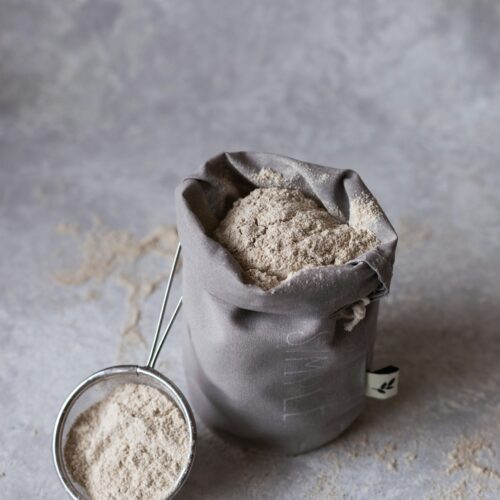
The best organic face mask for acne – Acne is one of the most common skin concerns worldwide, affecting people of all ages. With so many skincare options available, choosing the best organic face mask can be overwhelming.
However, one natural ingredient stands out—bentonite clay. Known for its ability to draw out impurities and absorb excess oil, bentonite clay has been a favourite among skincare enthusiasts and professionals alike, including board-certified dermatologist Dendy Engelman. Engleman has years of experience treating this type of skin problem
In this article, we will explore what makes bentonite clay the best organic face mask for acne, its benefits, how to use it, and potential side effects.
What Is Bentonite Clay?
Bentonite clay is a naturally occurring clay derived from volcanic ash. It is rich in minerals such as calcium, magnesium, silica, and potassium, making it a powerful ingredient for skincare. It forms when volcanic ash ages over time in the presence of water, creating a highly absorbent material that binds to toxins and impurities. Bentonite clay is one of the main key ingredients for this type of skin condition.
Where Is Bentonite Clay From?
Bentonite clay is sourced from various locations around the world, including the United States, France, Central African Republic, British Virgin Islands, and French Guiana. The highest quality bentonite clay is often mined in small batches to ensure purity and effectiveness.
15 Health Benefits Of Bentonite Clay
- Absorbs Excess Oil Production – Ideal for oily skin types, bentonite clay helps to balance sebum levels.
- Clears Pores – Acts as an effective treatment to draw out dirt and toxins, leading to clear skin.
- Reduces Acne and Red Bumps – Its antibacterial properties make it effective against acne-causing bacteria.
- Exfoliates Dead Skin Cells – Gently removes impurities, leaving skin smoother.
- Soothes Sensitive Skin – Reduces redness and irritation.
- Helps Fade Acne Scars – Promotes cell turnover and brightens uneven skin tone.
- Anti-Inflammatory Properties – Calms inflammation caused by acne and other skin conditions.
- Tightens Pores – Regular use minimises pore size and improves skin texture.
- Balances pH Levels – Works well with other common ingredients like apple cider vinegar to maintain skin health.
- Detoxifies Skin – Binds to toxins and impurities, making it a great addition to a skincare regimen.
- Enhances Dewy Skin – Leaves skin looking fresh and glowing.
- Reduces Dull Skin – Promotes cell renewal for a healthier complexion.
- Natural Alternative to Harsh Chemicals – Free from synthetic ingredients, making it safe for acne-prone skin.
- Works Well as a Spot Treatment – Can be applied directly to blemishes for targeted healing.
- Boosts Other Skincare Ingredients – Enhances the effectiveness of organic ingredients like aloe vera gel, tea tree oil, and green tea.
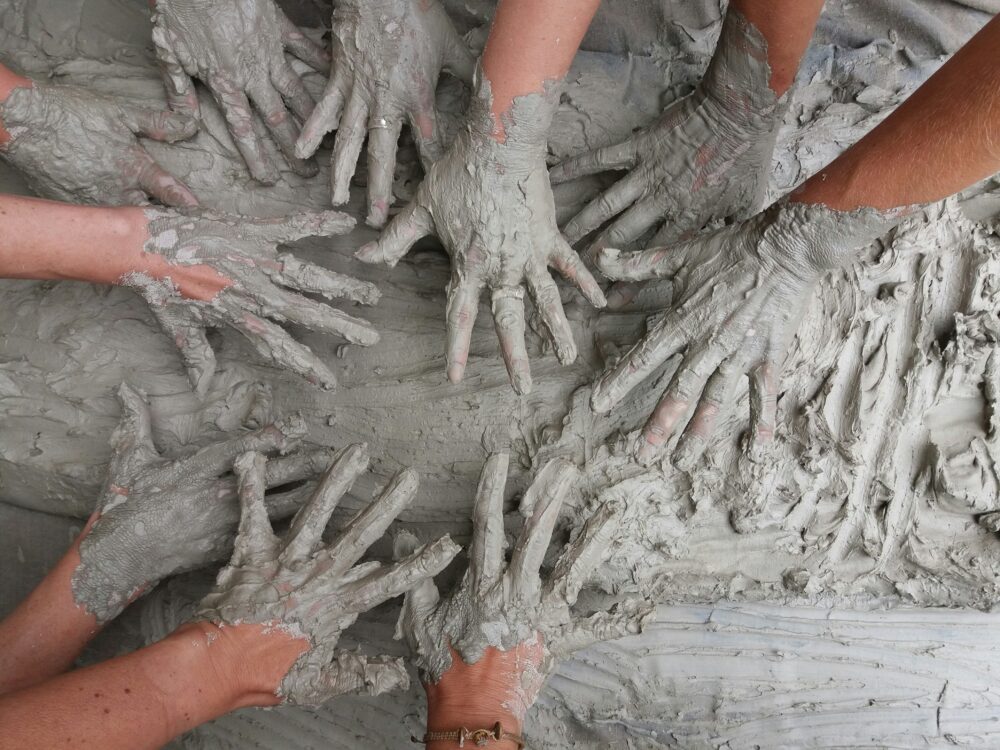
How To Use Bentonite Clay
Bentonite clay can be used in multiple ways to target specific concerns. Here are some DIY face masks and treatments:
1. Basic Bentonite Clay Mask
Ingredients:
- 1 tablespoon bentonite clay
- 2 tablespoons warm water or apple cider vinegar
- Optional: 2 drops tea tree oil for antibacterial properties
Instructions:
- Mix the ingredients in a non-metallic bowl.
- Apply an even layer to your face, avoiding the eye area.
- Leave on for 10–15 minutes until it dries.
- Rinse with warm water and follow with a hydrating serum like hyaluronic acid.
2. Overnight Mask For Deep Detox
Ingredients:
- 1 teaspoon bentonite clay
- 1 teaspoon aloe vera gel
- 2 drops peppermint oil
Instructions:
- Mix all ingredients to form a smooth paste.
- Apply a thin layer to problem areas before bed.
- Rinse off in the morning for best results.
3. Acne-Fighting Mask With Salicylic Acid
Ingredients:
- 1 tablespoon bentonite clay
- 1 teaspoon kaolin clay
- ½ teaspoon crushed aspirin (natural source of salicylic acid)
- 1 tablespoon green tea (cooled)
Instructions:
- Blend all ingredients to form a paste.
- Apply to acne-prone skin and leave on for 15 minutes.
- Rinse with warm water and moisturise with a lightweight gel mask.
Why Tea Tree Oil Is Good For Acne
Although bentonite clay might be the best organic face mask for acne, tea tree oil is the perfect ingredient to add to your face mask. Tea tree oil is well known for its antibacterial and anti-inflammatory properties, making it an excellent addition to acne-fighting skincare routines.
It helps combat acne-causing bacteria, reduces redness and swelling, and controls excess oil production. When used in combination with bentonite clay, tea tree oil enhances the clay’s ability to purify the skin, leaving it clearer and more balanced.
Why Aloe Vera Gel Is Good For Acne
Aloe vera gel is a powerhouse ingredient known for its soothing, hydrating, and anti-inflammatory properties. It helps reduce acne-related redness, accelerates healing of blemishes, and prevents scarring. Aloe vera is also lightweight and non-comedogenic, making it ideal for acne-prone skin.
Why Salicylic Acid Is Good For Acne
Salicylic acid is a beta hydroxy acid (BHA) that is widely used in skincare due to its ability to penetrate deep into pores and clear out excess oil, dirt, and dead skin cells. It is one of the best ingredients for treating acne, particularly blackheads and whiteheads.
Benefits Of Salicylic Acid For Acne-Prone Skin
- Unclogs Pores: Salicylic acid dissolves excess oil and exfoliates inside the pores, preventing breakouts.
- Reduces Inflammation: It has anti-inflammatory properties that help calm red, irritated skin and acne flare-ups.
- Exfoliates Gently: Unlike physical exfoliants, salicylic acid works at a chemical level, removing dead skin cells without causing microtears.
- Prevents Future Breakouts: Regular use can keep pores clear, reducing the chances of future acne breakouts.
- Minimises Acne Scars and Uneven Skin Tone: By promoting cell turnover, it helps fade dark spots and acne scars over time.
Can I Use Bentonite Clay On My Face Every Day?
While bentonite clay is one of the best facial masks for acne, using it daily can be too drying, especially for sensitive skin. Most people achieve the best results by using it 2–3 times a week.
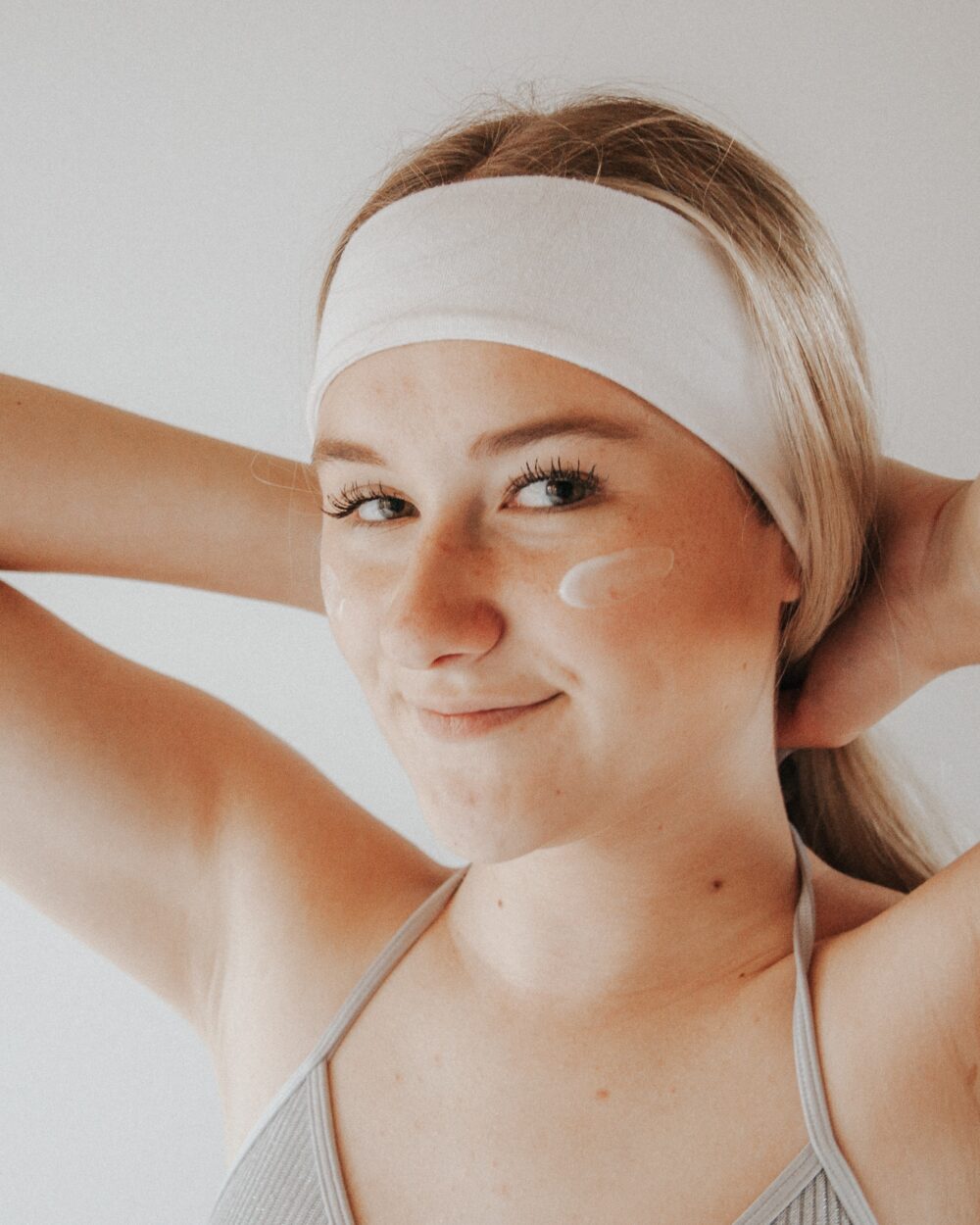
Who Should Not Use Bentonite Clay?
- People with Very Dry Skin – Bentonite clay absorbs oil, which can worsen dry skin.
- Those Allergic to Volcanic Ash or Minerals – Conduct a patch test before using.
- Individuals Using Strong Acne Medications – Combining with benzoyl peroxide, azelaic acid, glycolic acid, or lactic acid can cause irritation.
Potential Side Effects Of Bentonite Clay
- Can cause dryness if overused.
- May trigger allergic reactions in some individuals (first time using, do a small tester on your wrist)
- Can be too harsh when combined with other strong exfoliants.
FAQ’s On Bentonite Clay
1. Is bentonite clay better than a sheet mask for acne?
Yes, clay-based masks absorb excess oil and impurities, while a sheet mask is more hydrating.
2. Can I use bentonite clay with vitamin C?
Yes, but use them on different days to prevent irritation.
3. What is the best way to mix bentonite clay?
Use warm water or apple cider vinegar to create a smooth paste.
4. Does bentonite clay work well with at-home devices like LED masks?
Yes! Light therapy, including red light and blue light, complements bentonite clay for acne treatment.
5. What skincare line of acne-friendly products works well with bentonite clay?
Look for pore-safe ingredients and natural ingredients such as aloe vera gel, green tea, and tea tree oil.
6. Can I use bentonite clay as a face wash?
Yes! Mixing a small amount with warm water creates a gentle cleanser.
7. Are there any well-priced options for bentonite clay?
Yes, many brands offer affordable and high-quality clay masks.
8. Can I use bentonite clay with other types of masks?
Absolutely! Or, try alternating with other masks such as a leave-on mask, or gel mask.
Bentonite clay has been celebrated in recent years as one of the best natural face masks for acne-prone skin. Whether used as a spot treatment, part of your regular skincare routine, or in DIY face masks, this incredible ingredient can help clear pores, reduce excess oil production, and improve overall skin health. With its combination of organic ingredients, antibacterial properties, and ability to target specific concerns, bentonite clay remains one of the best organic face masks available today.
What do you think, is bentonite clay the best organic face mask for acne?
Leave a Reply