
You might think it’s an odd time to be talking about winter skin when here in the UK at least, we are about to go into spring and summer. However, now is the perfect time to be talking about it as now’s the time to start repairing any skin barrier damage after the harsh cold months of winter.
To be healthy, you have to take care of yourself all-year-round – even in the UK! Unfortunately, lots of us Brits do fail as we don’t understand the impact of the winter sun (when we get any that is). Over 25% of Brits don’t know that it’s possible to experience winter sun skin damage. If you fall into this category, you could be putting your wellbeing in danger since UV rays are incredibly powerful all year round. They don’t even have to leave a burn to have an adverse effect.
Everybody should take more care of their skin, and not just in the winter months. It’s essential to know why to avoid making the same mistakes again next year.
Here are just a few things you can do to help protect your skin all year round…
No SPF
The most common way the winter sun causes skin damage is through a lack of awareness. When you are comfortable, you take fewer precautions than you would normally. For instance, not putting on sun cream before leaving the house. Even failing to use a moisturiser with SPF is critical as it’s one less layer of protection.
As a result, everything from a redness and swelling ointment to a hyperpigmentation treatment might be necessary, depending on the level of damage. By taking the number and power of UV rays in the colder months seriously – they are around on cloudy days, for example – it should encourage you to be less casual.
Hydrating Dry Skin
Of course, with all the extra forms of heating in your home, car, office…etc, means your skin will dry out much faster than it would in the warmer months. To prevent this from happening, make sure you include a hydrating facial oil to your skincare routine. Facial oils can be used by anyone (prevented they don’t have any allergies to the ingredients) and should be a staple part of your routine.
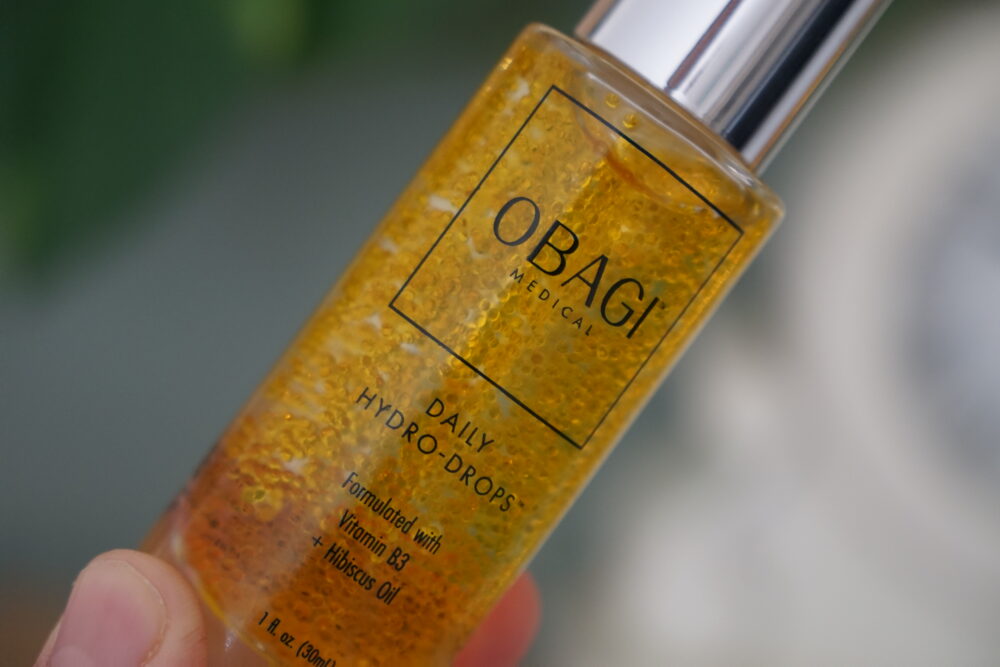
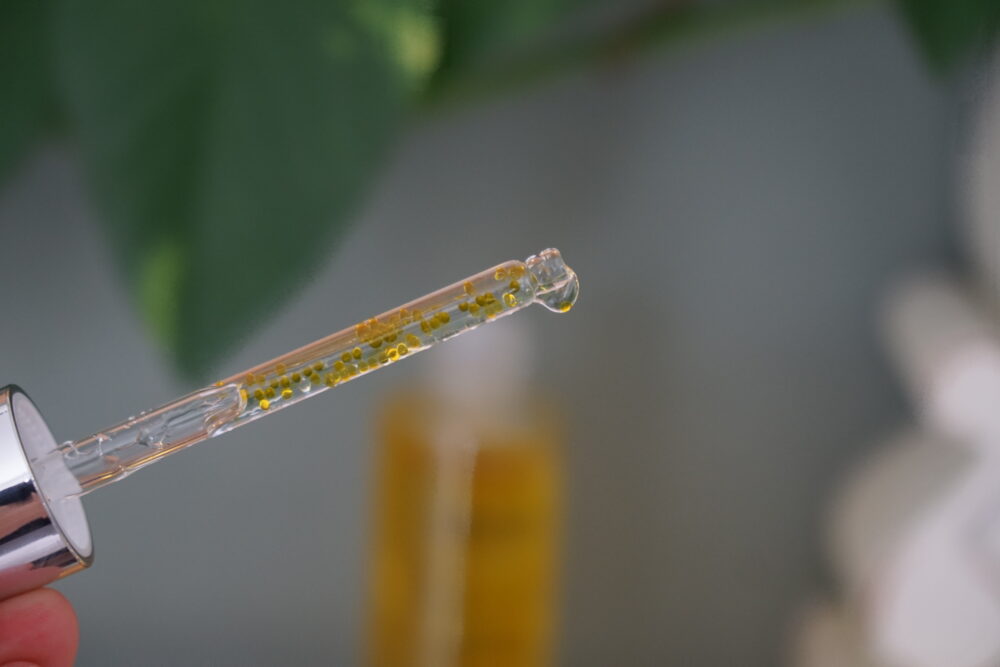
A good facial oil will not only help to keep dry skin away, many these days can also offer protection from free-radicals, smooth skin texture and even reduce pore size. One we have been testing out recently is the Obagi Daily Hydro-Drops Facial Serum. In the bottle you can see the little drops of oil suspended in water to give your skin the extra hydration it needs. Simply apply morning and evening to cleansed skin, underneath your day or night cream. It isn’t a greasy feeling oil, and won’t leave you looking as though you’ve just run a sweaty marathon!

Lower Humidity
You might assume that humidity levels are lower in the winter and higher in the summer, yet this isn’t always true. In June and July, the stifling heat leads to more moisture in the air, which is good for your skin. In the winter, the atmosphere is drier, and this means there is not as much water for your skin.
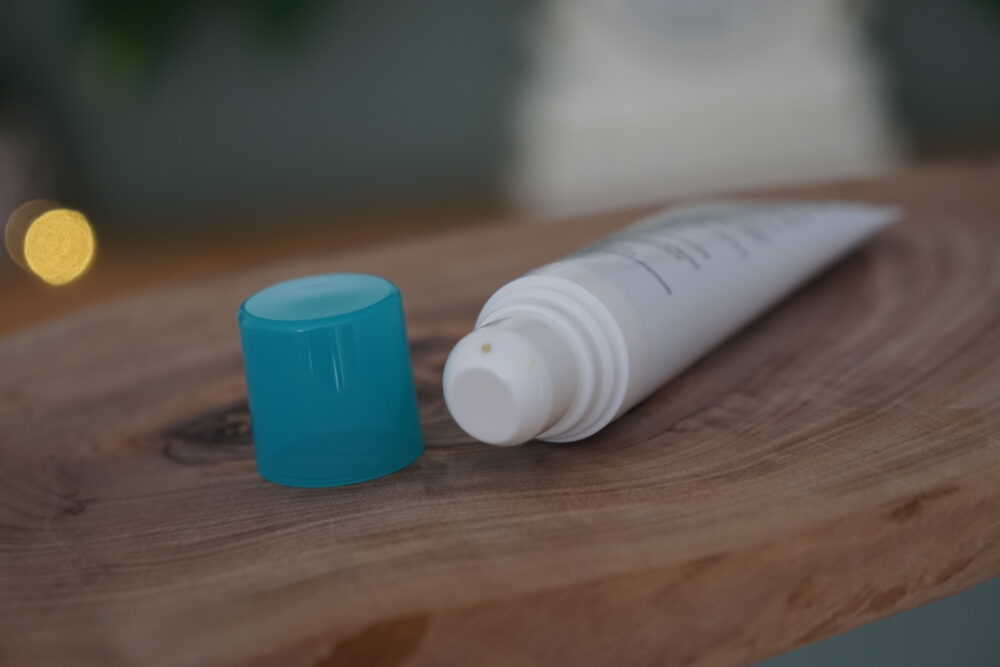
Moisturising helps, as always, but it’s easy to forget about key areas, such as your lips. Applying balm with SPF not only stops them from drying out, but it protects them from the sun’s rays too.
The Eyes
Sunlight is still intense, especially for your eyes. This is because you block less of it, believing it’s not sunny enough to warrant glasses, and certain wintery features make UV rays twice as powerful. Snow is a prime example.
But how does this affect your skin? The additional glare from the snow makes it easier for the sensitive areas around your eyes to be impacted. The Skin Cancer Foundation reports that eyelid skin cancer makes up 5 to 10% of all skin cancers, so it’s no joke. Plus, sunnies take care of your eyesight while enhancing your style!
However, before you put on your spf, make sure your eye area is well moisturised to help with any fine lines or wrinkles. Even if you don’t yet have any, prevention is better than trying to get rid of them at a later date. Something like the Obagi Retinol Serum would be perfect to help protect your delicate eye area. It’s a light-weight eye cream that aids cell renewal, exfoliates dead skin cells, reduces the sign of ageing, and can even brighten your complexion.
Localised Concentration
Thankfully, the weather means you wrap up warm most of the time. With layers on, the clothes can absorb or reflect the rays, leaving your skin unexposed. The issue is with features that remain out in the open when the conditions are bad, such as your face and head.
They take on the brunt of the pressure, leading to localised areas of concentration. The key to preventing skin barrier damage is to cover up as much as possible. Either by wearing a hat or pulling your scarf around your neck and lower face – along with covering your skin with spf as well of course!
Make sure you either prevent, or repair any skin barrier damage. Hopefully this article will help you avoid any common mistakes when it comes to skincare.
Collaborative Post
Leave a Reply