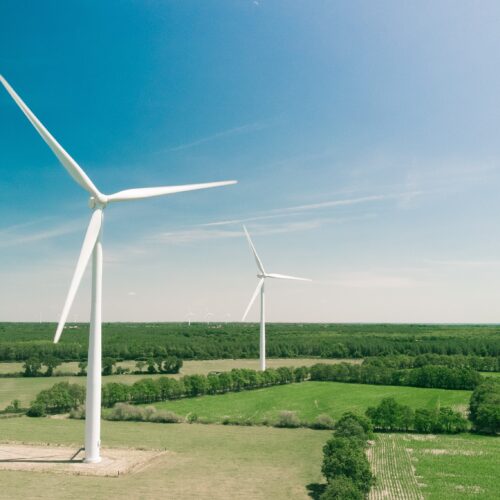
Energy bills always seem to be climbing, and climate change is something that is a real problem – and getting worse. Therefore, making our homes as energy efficient as possible will be helpful to both the planet and our pockets. Yet so many of us are still unsure how to go about doing this. Even though it’s easier than ever to switch over to greener living.
If you’re thinking about making your home more energy efficient, here are some great ways to get started. Once you start, you’ll want to keep going, saving money, helping the planet and improving your energy efficiency.
Related Post – 10 Ways To Conserve Electricity At Home
Lower Your Thermostat
Lowering your thermostat by just 3 degrees will have a drastic positive impact on your monthly heating bills. Plus you’ll use a lot less energy in general. You could save up to 15% on what you’re paying now.
Lowering your thermostat by a few degrees will mean you barely notice the difference. You may even feel more comfortable and sleep better, as sleeping in a cooler room is better for you.
Related Post – Simple & Effective Ways To Reduce Your Energy Bills
Make Compost
You don’t need loads of room in your garden to start a compost heap; you just need a container where you can put all of your vegetable peelings and garden clippings. Anything that can decompose naturally can be put into your compost container. Over time it will break down and decompose, creating compost.
Keep it topped up and you’ll never run out of the good stuff needed to grow your own fruit and vegetables (and other plants too). Not only does this make fantastic fertiliser, but it also cuts down on the waste you produce.

Seal Your Windows
So much of your heating disappears through the tiny gaps in your window frames. Meaning you’re often paying to heat nothing at all.
To stop this from happening and to save your energy bills from climbing, you can use special weather stripping to seal the window frames and keep your heat inside where it needs to be. If you have any cracks that can’t be sealed in this way try caulk instead.
Change Your Boiler
How old is your boiler? When was the last time it was serviced? If you’ve had your boiler for over 15 years, it’s probably time to change it to a new, more efficient one.
If your boiler is over 10 years old, get it checked by a professional. Even if the boiler isn’t going to give out any time soon. You might still be able to save money with a more energy-efficient one. If this is the case, ask an expert what they would recommend as the best boilers. Ensure you don’t install the new one yourself unless you are Gas Safe registered.
Use Less Water
It’s a fact that you will be using far more water than you need to be, and the more water you waste – even accidentally – the worse it is for the environment and your bank balance. When you brush your teeth, for example, make sure you don’t leave the tap running for the whole time.
The same goes for shaving. It’s also much more energy efficient to have a shower rather than a bath and to wait until you have a full load for your washing machine or dishwasher.
Replace Incandescent Bulbs
Changing your incandescent bulbs to LED lights, halogen bulbs, or fluorescent lamps is a great way of conserving energy. It will also save you money in the long term because these newer types of bulbs last longer than the old ones.
There are lots of reasons to get energy-efficient lightbulbs aside from wanting the save the planet as well. They are much harder to break as energy-saving bulbs do not have a filament and you can even get bulbs that save energy while also working with a dimmer switch as the technology has come on so far.
Stop Wasteful Habits
If you leave your phone charger plugged in without it charging anything, it’s using energy without actually giving you anything to show for it. Any kind of charger will be using up energy that you’re paying for without getting any benefit from, and estimates suggest that the average charger is using 0.26 watts of energy just sitting there (that’s compared to 2.24 watts when it’s charging something).
Altogether, such actions could be responsible for as much as 10% of your overall energy bill, so unplugging them when they’re not in use will save you money and energy.
Use Cold Water
When you wash your clothing, you can usually get away with using a warm or even cold wash rather than a hot one. Keep the hot wash in reserve to tackle stains and particularly mucky items, and for every day washes stick to the colder cycles. 30 degrees should be more than enough to clean things up.
Why is this important? When you break down the energy usage of a washing machine, you’ll see that it takes 90% of all the energy used by the unit to heat the water used, and the last 10% to make it run. Cutting the temperature seriously improves the energy efficiency used to do the same job.
Insulate
If you can add insulation to your loft space, you’ll save a lot of money on your heating bill. That’s because the insulation will help to seal any cracks and air leaks, and it will keep the heat inside where it needs to be. That means you can have your thermostat on even lower because the house is going to stay warmer for longer.
Install Solar Panels
Solar panels do cost rather a lot to start with, but over time they will pay for themselves in terms of energy efficiency and the utility bills that they can cut down. Some are even linked to schemes whereby energy companies pay you back for using them. By using natural energy instead of fossil fuels, you are doing a good thing for the planet too.
Reuse & Recycle
Finally, recycling and reusing might not strike you as a way to improve your energy efficiency, but this point is about being efficient with your bodily energy. By investing in some kit to help you know how to organise your recycling, you will be able to reduce the waste you leave on the planet every day, just by taking a little bit of extra time to sort through the household waste.
Another great idea is to try and find a farmer’s market you can do your shopping in as you can use old containers to carry loose fruit and veg back home, reducing the use of packaging.
Through implementing some simple lifestyle changes and stopping wasteful habits, you can be well on your way to a more cost-effective sustainable home. A little extra thought and care go a long way, and will also mean you’re doing your bit for the environment.
How good is your homes’ energy efficiency?
Collaborative Post
Leave a Reply