
Hay fever can completely destroy some people’s love of the summer months. Instead of being able to enjoy the sunshine, they’re left with puffy eyes, a streaming nose and generally feeling rubbish. However, there are ways to reduce the symptoms of hay fever. In this article we look at some of the simple things can incorporate in to your daily routine. From essential oils for hay fever, to reducing your sugar intake and even keeping track of pollen levels in your area.
Essential Oils For Hay Fever
There are 6 essential oils for hay fever that could help to reduce your symptoms throughout the peak hay fever season. You can either diffuser them in to the air around you, add a few drops to your bath, or even dilute them in to a carrier oil and use on your skin.
The best ones that come to mind are…
- Lavender
- Chamomile
- Peppermint
- Eucalyptus
- Tea Tree
- Lemon
Just be careful not to put them directly on to your skin as they could burn you. Also, if pregnant or breastfeeding, make sure you check with your GP before using them.
Cut Down On Your Coffee
Caffeine triggers a release of histamine, which can worsen inflamed skin and dilate your blood vessels making everything feel more irritated and itchy. If you can, opt for a herbal tea, or water instead.



Avoid Dairy Products
Stay well away from ALL dairy products if you can as foods such as – milk and cheese are mucus-inducing and will make your hay fever feel so much worse. People prone to allergic reactions often struggle with dairy so instead, try to opt for the dairy free alternatives when possible. There are so many available these days that it won’t be difficult to find something else to put in your money coffee or on your cereal.
Spices Are Your Friends
Add some ginger to your diet on a daily basis…either in ground or fresh form as it will act as a natural decongestant and calm any inflammation. Drinking ginger tea is a great way to add this to your daily diet, either a specific ginger tea you can buy in the shops or by creating your own at home with some grated ginger, turmeric and a squeeze of lemon juice.
Reduce Your Sugar Intake
Refined sugars will actually trigger peaks and troughs of your sugar levels, which in turn causes an adrenalin surge that will activate your histamine releases…not what you want when its in overdrive anyway. So, if you can, opt for dried or fresh fruit for a natural sugar fix instead.
Dose Up On Vitamin C
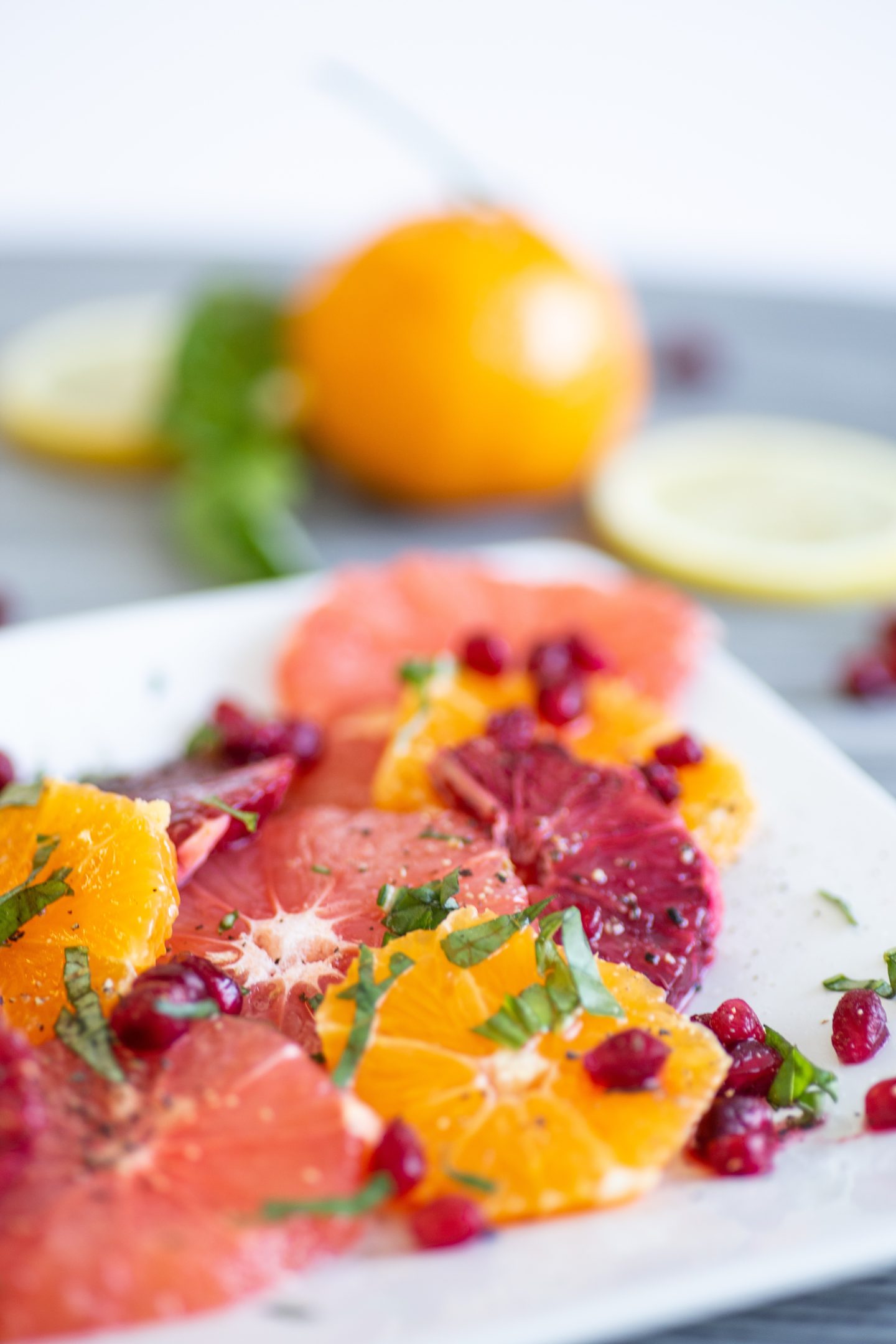
Fill your diet with fresh fruit and vegetables to ensure a steady intake of vitamin C throughout the day. Your body can’t make or store vitamin C itself, so it has to be available in a low and consistent dose to help support your nasal lining and reduce the amount of histamine in blood. Increasing your vitamin C intake each day is a great natural hay fever treatment.
Here are some fruits and vegetables that are rich in vitamin C that you should be trying to add to your diet on a daily basis. A good way to do this is by drinking smoothies as you can add a few at a time to create delicious flavour combo’s…
- Oranges
- Strawberries
- Mango
- Kiwi
- Bell peppers
- Kale
- Broccoli
- Cauliflower
Eat Anti-inflammatory Foods
By filling your diet with tasty anti-inflammatory foods, you’ll help to reduce some of the side affects caused by hay fever – including inflammation of the nose which occurs when the immune system over-reacts to allergens in the air, causing you to feel stuffy and congested. I’m sure if you have hay fever you already know that signs of this can include – a runny or stuffy nose, sneezing, red, itchy, and watery eyes, and even swelling or puffiness around the eye area.
Here are some suggestions of foods packed with anti-inflammatory properties…
- Blueberries, blackberries, purple grapes, blackcurrants (also great for vein health)
- Carrots, sweet potatoes, pumpkin, butternut squash
- Mangoes, apricots, peaches, nectarines, papaya, pears, pineapples
- Prunes, plums, raisins, figs, avocados,
- Fish such as herring, pilchards, sardines, salmon (also great for skin health)
- Oils such as pumpkinseed oil and flaxseed oil (also helps with joint health)
Stop Drinking Alcohol
Any alcohol at all will increase your likelihood of allergic rhinitis, not just during hay fever season so if possible, drink as little as possible.
OK, so for some this might not seem like something they can cut out completely, but perhaps you could consider cutting down slightly, especially on high pollen days.
What Else Can I Do To Help Myself?
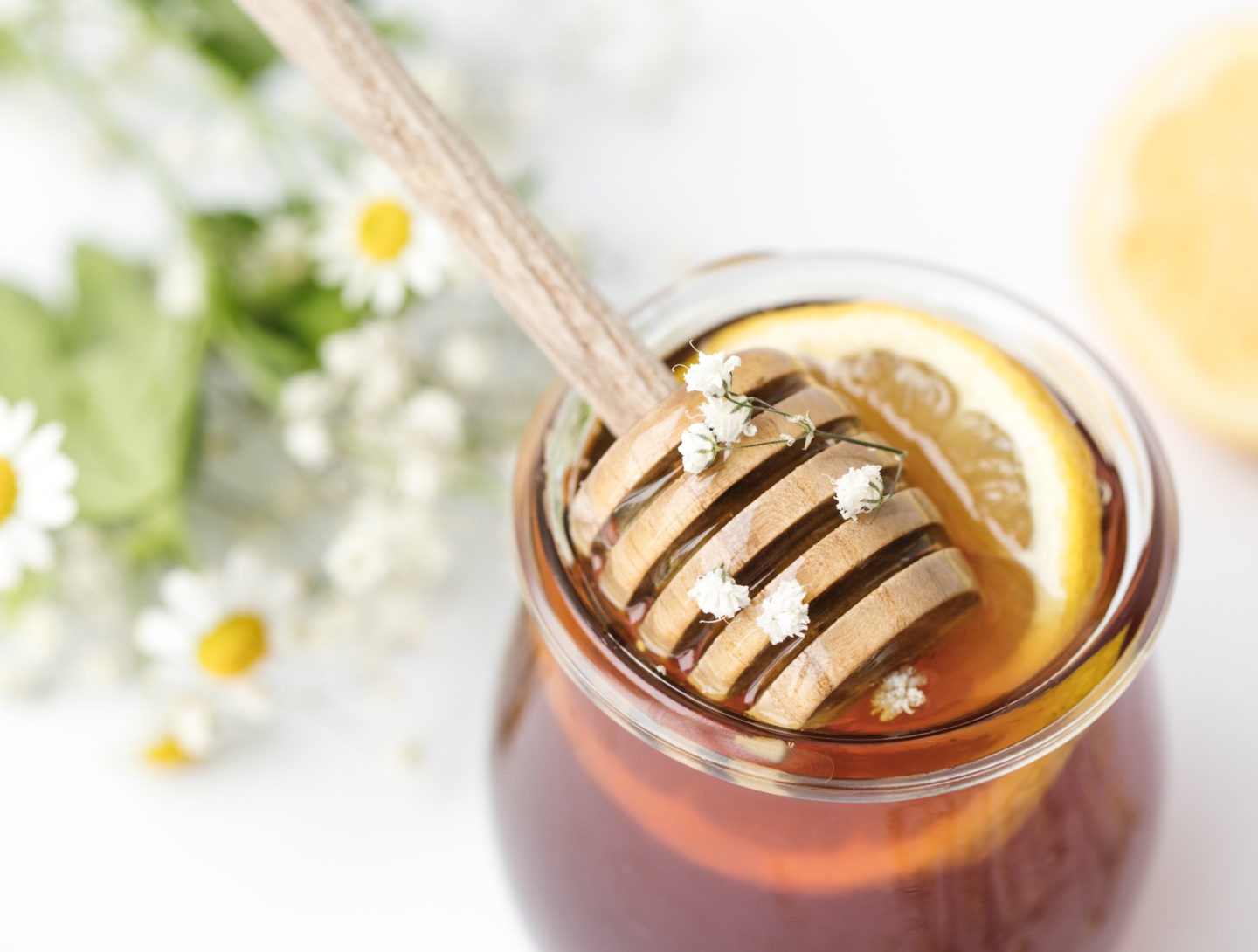
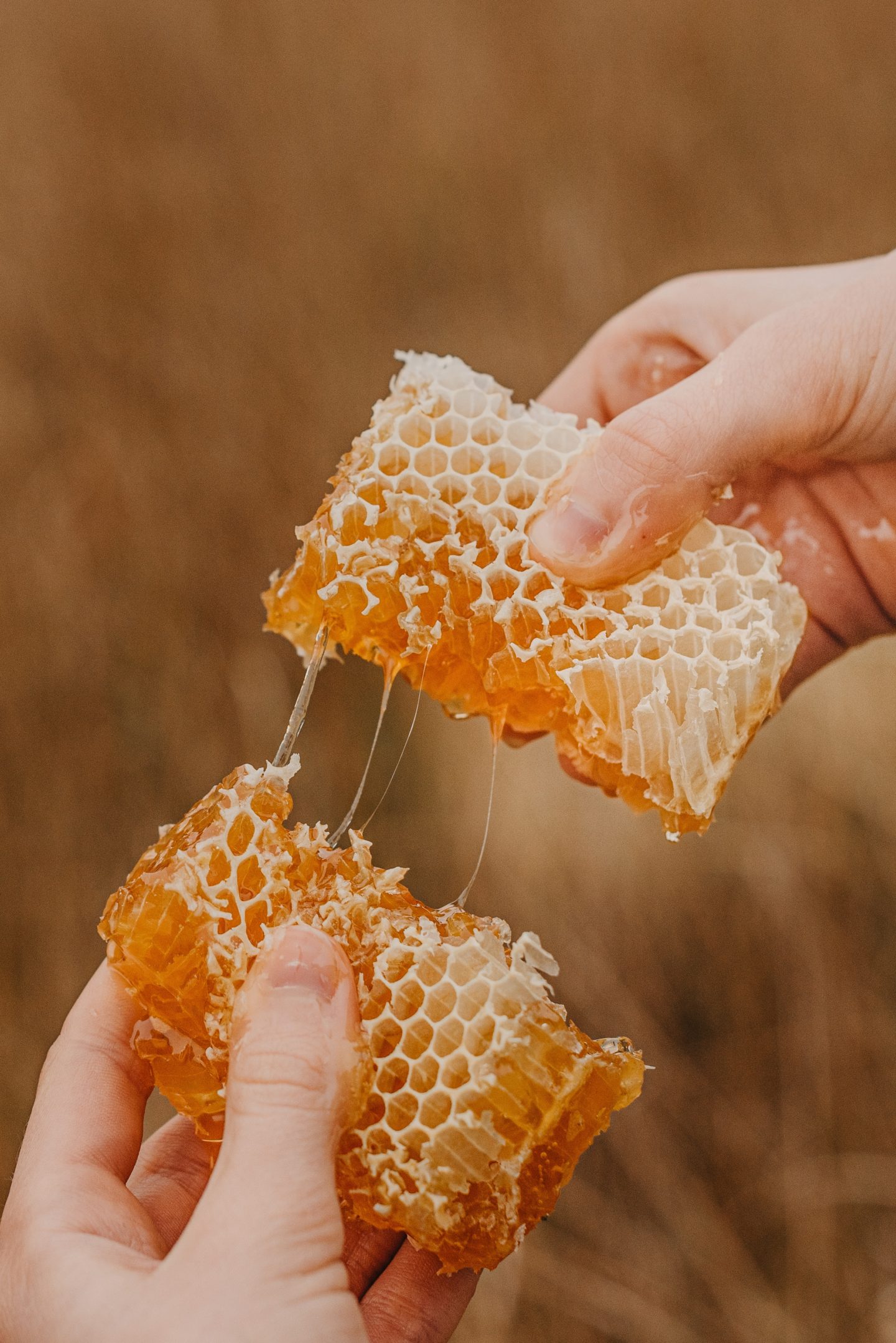
Using natural remedies and keeping track of the pollen levels in your area can help you keep your hay fever under control. Something as simple as eating local honey or Manuka Honey all year round can actually help you to build up some form of protection against the pollen.
You could even try avoiding any strong scented skincare products, instead opting more more natural, holistic skin care which aren’t so harsh on the eyes and nose.
Things like nasal sprays and eye drops, especially if you have contact lenses, will help to reduce the aggravation. For more information on getting yourself some contact lenses, visit Vision Direct where you can actually order contact lenses online once you know your prescription.
Keep Track Of Pollen Levels In Your Area
By tracking the pollen count in your area, will allow you to determine how bad your hay fever symptoms might be on any given day and try to avoid certain situations or have extra tissues or eye drops on hand just incase.
What are your hay fever symptoms, and how do you deal with them? Do you use over the counter, or natural hay fever treatments?
Collaborative Post
Leave a Reply